Tool coatings improve the durability, efficiency, and lifespan of tools. Whether you work in manufacturing or a workshop setting, knowing different coatings helps you choose solutions that maximize your tools’ potential. Use this guide to understand tool coatings for better performance as you explore various options and break down their benefits and uses.
What Are Tool Coatings?
Tool coatings serve as a barrier between the tool and external elements, reducing wear and extending a tool’s lifespan. Whether the tool faces heat, friction, or corrosive environments, coatings stabilize its performance. Workers rely on these coatings to maintain consistent results in machining and manufacturing.
The Competitive Edge
By delivering durability, precision, and efficiency, coated tools provide an advantage for workers looking to maximize output and maintain high standards. That said, tool coatings support better performance through measurable improvements in workflow. They also reduce wear-related production delays, keeping operations on schedule.
Aluminum Titanium Nitride (AlTiN) Coating
Aluminum titanium nitride coatings elevate tool performance in high-speed and high-temperature applications. In particular, these coatings form a protective aluminum oxide layer during heat exposure. This heat resistance supports high-speed machining, where friction and heat buildup can damage uncoated tools.
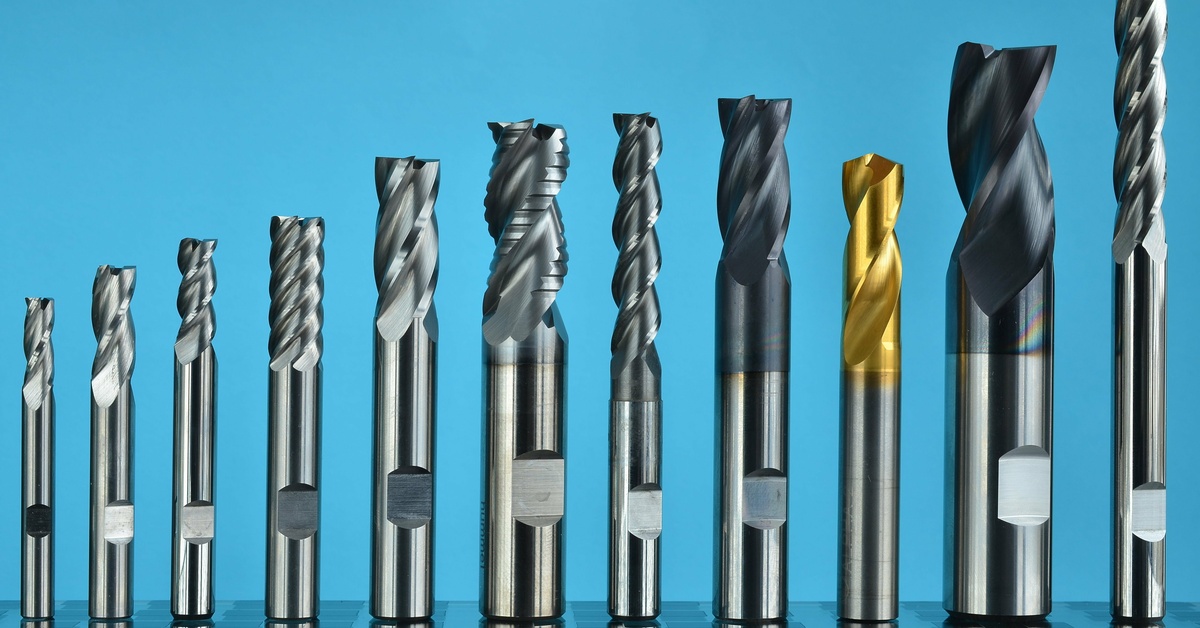
AlTiN coatings thrive in heavy-duty machining involving hard materials, such as stainless steel, tool steel, and nickel-based alloys. Operators rely on AlTiN-coated end mills, drills, and cutting inserts to handle these tough materials without sacrificing precision or efficiency.
Long-Term Advantages
Investing in AlTiN-coated tools brings long-term benefits. Manufacturers gain reliable tools that can endure extreme conditions without frequent failures. The extended lifespan, combined with reduced maintenance and downtime, translates into substantial cost savings. AlTiN coatings empower operators to meet requirements while keeping their workflows productive and efficient.
Titanium Nitride (TiN) Coating
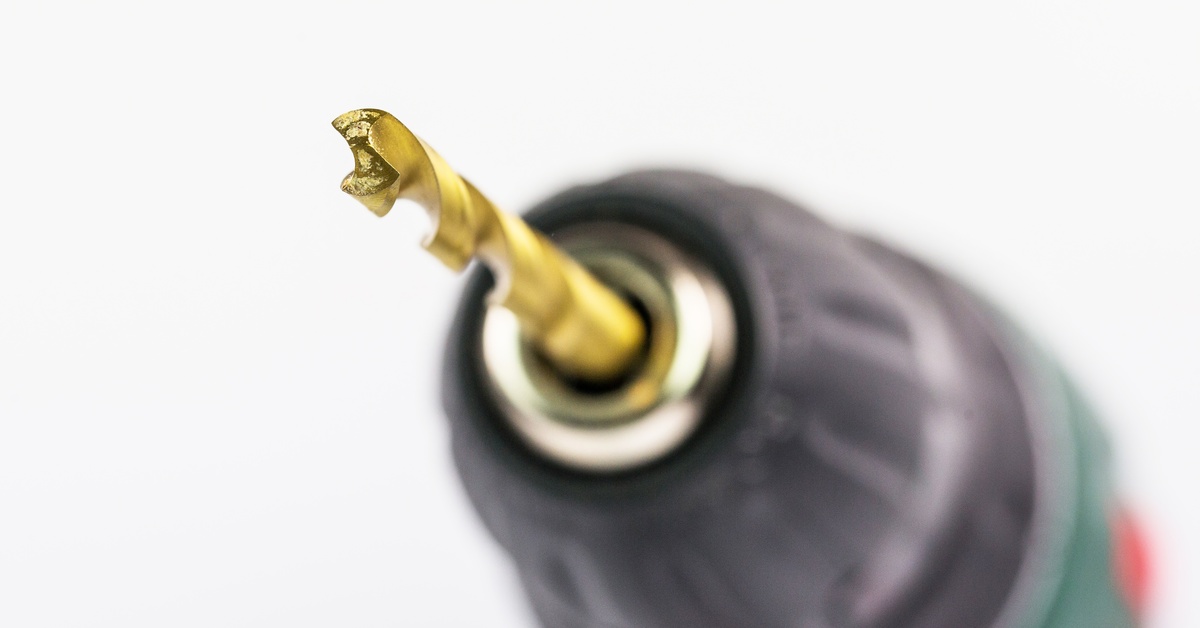
Titanium nitride is a popular tool coating known for its distinctive gold appearance and exceptional performance benefits. It forms a thin layer on the tool surface, enhancing durability and efficiency. In particular, this coating creates a hard, protective barrier that minimizes material wear.
TiN-coated tools can handle abrasive materials, like aluminum or steel, while maintaining their performance over time. Furthermore, TiN coatings shine during high-speed operations. They reduce heat transfer to the tool, keeping temperatures low even with intense use.
Additionally, their low friction properties prevent chips from sticking to the tool’s surface, eliminating clogging or uneven cuts. The coating excels in general machining tasks, especially with aluminum, plastics, or medium-strength steel grades. TiN-coated tools support applications requiring clean results, such as precision hole drilling or detailed milling. Workers in manufacturing plants and machine shops benefit from the consistent quality TiN offers. It leaves smooth finishes and extends usable life, decreasing downtime for tool replacement.
Titanium Aluminum Nitride (TiAlN) Coating
Titanium aluminum nitride offers extraordinary heat resistance and durability, making it valuable for advanced machining tasks. This coating features a dark gray finish and a higher aluminum content than TiN that improves performance when cutting through hard or heat-resistant materials.
Its ability to withstand thermal stress ensures cutting edges remain stable. Tools treated with TiAlN stay effective for a long time during high-speed or heavy milling operations. For example, a TiAlN-coated end mill maintains precision while shaping cast iron at intense heat levels, where uncoated tools would wear prematurely.
An additional benefit of TiAlN coatings lies in their strong resistance to oxidation, which protects tools from breakdown during heat exposure over time. This property makes them reliable for applications where temperatures consistently rise above normal levels, such as working on die molds or titanium alloys. This coating is ideal for tools in automotive, aerospace, and heavy machinery production. Investments in TiAlN-coated tools lead to better outcomes for high-stakes manufacturing.
Diamond-Like Carbon (DLC) Coating
Diamond-like carbon coating creates a hard, friction-resistant surface with enhanced sliding performance. The black coating works well for tools handling frequent use or high-friction applications. Razor blades or cutting tools benefit from DLC’s exceptional durability.
DLC reduces wear and friction on tools, allowing them to maintain sharpness and precision. For example, cutting tools in food processing create clean cuts without material buildup, speeding up workflows. High-accuracy equipment, such as machinist measuring tools, also benefits from DLC’s low friction, ensuring smooth and reliable measurements over time.
Hygiene and Versatile Applications
DLC’s biocompatibility is valuable for tools that come in direct contact with sensitive materials. For instance, medical instruments featuring DLC coatings perform reliably and reduce the risk of biological contamination or degradation. Additionally, everyday tools, such as scissors or kitchen knives with DLC, offer consumers enhanced performance and lower maintenance requirements.
Chromium Nitride (CrN) Coating
Chromium nitride coating provides a silver-gray layer that resists wear and corrosion. It prevents moisture or harsh chemical damage, ensuring reliable performance. Workers in the automotive, medical, and aerospace industries value CrN for its protective qualities.
CrN is ideal when working with adhesive or abrasive materials. Tools cutting plastics or interacting with glues avoid clogging or loss of performance due to the protective properties of CrN. Manufacturers working with die-cast molds or machine components depend on CrN-coated tools for consistent surface finishes. Its combination of wear resistance and corrosion protection ensures tools stay functional, despite prolonged exposure to tough conditions.
Zirconium Nitride (ZrN) Coating
Zirconium nitride coatings enhance tool performance through their versatility and unique properties. They are great for non-ferrous materials and share many qualities with titanium nitride (TiN) but stand out due to their superior corrosion resistance and adaptability in specialized applications. For example, machinists use ZrN-coated drilling or milling tools to handle soft metals without compromising performance or quality. Manufacturers dealing with electronic components or aerospace-grade alloys also rely on ZrN for its reliable and consistent results.
When working with aluminum, brass, or copper, ZrN keeps tools sharp for a long time, delivering precise and smooth results. Its ability to combat material buildup guarantees clean cuts without clogging or interruptions.
Polycrystalline Diamond (PCD) Coating
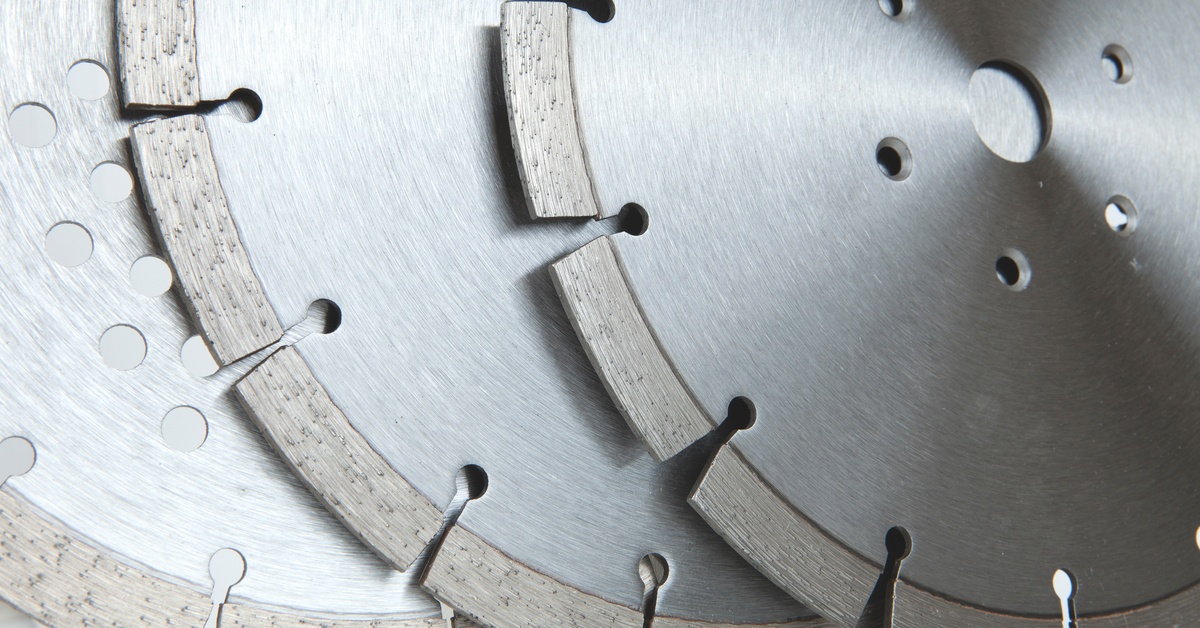
Polycrystalline diamond coatings incorporate diamond particles on the tool surface to deliver unmatched hardness and durability. Manufacturers design the coating to tackle highly abrasive materials and extend tool life in specialized applications. PCD-coated tools excel at cutting composites, ceramics, graphite, and carbon fiber. Whether machining airplane panels or creating custom carbon fiber components, PCD ensures clean, precise results that improve product quality and reduce waste.
Workers in aerospace, automotive, and electronics rely on PCD-coated tools for their accuracy and durability. Operators experience fewer tool changes and smoother workflows. These coatings handle tight tolerances and high-performance requirements. While PCD coatings involve a higher investment, the long tool life and improved efficiency offset costs.