Operating heavy machinery comes with inherent risks, but with the right knowledge and mindset, you can create a safer workplace. Whether you’re new to machinery or have years of experience under your belt, our advice can help you stay confident on the job. Here are seven safety tips every machine operator should know to protect themselves and their coworkers and keep their equipment functioning optimally.
Wear the Right Personal Protective Equipment (PPE)
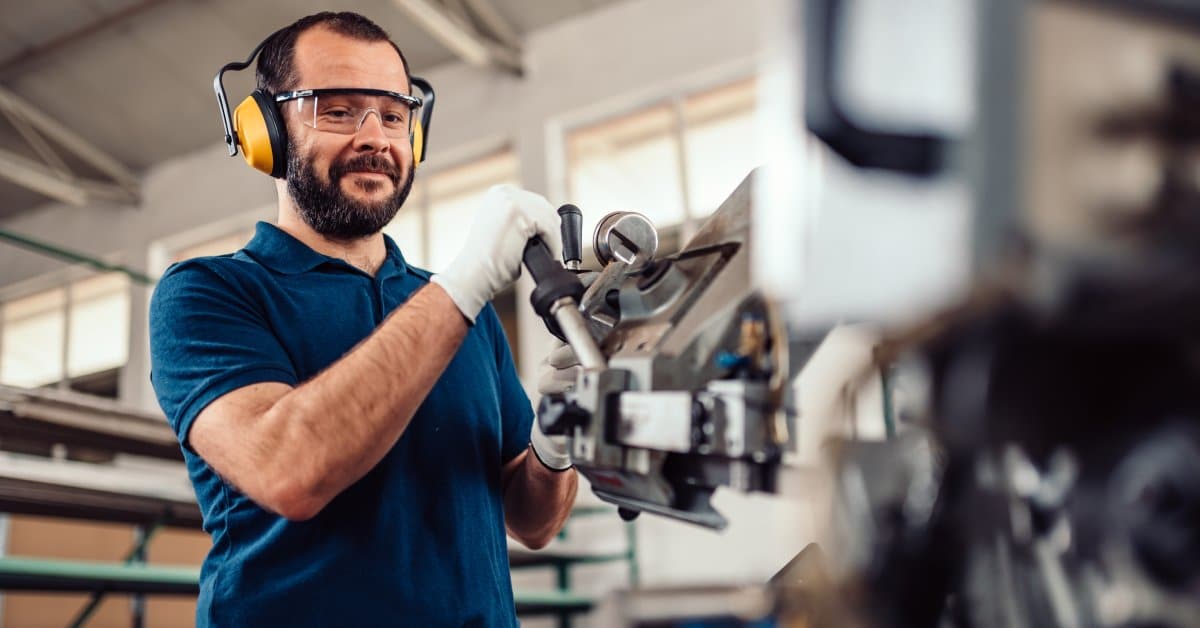
Your safety always begins with the gear you wear. Proper PPE, such as thick gloves, steel-toed boots, and eye protection, shields you from many common injuries. Hard hats can prevent head injuries, and high-visibility clothing keeps you visible in busy work zones. Always check that your equipment fits correctly and is in good condition. After all, frayed gloves or scratched lenses won’t provide effective protection.
Please note that specific tasks may call for additional PPE. For example, you may also wear industrial-grade ear protection to prevent hearing damage if your work involves loud equipment. Regardless of the task, taking a few minutes to properly equip yourself can significantly reduce the risk of injury.
Conduct Pre-Operation Equipment Inspections
Thoroughly inspect every machine you use before handling it. Often, machines endure wear and tear that can lead to malfunctions if you don’t check them. Look for frayed cables, loose screws, or unusual sounds in moving components. Additionally, check fluid levels and monitor the brakes and hydraulic systems to ensure the equipment works as it should.
Regular inspections are essential because a minor defect can escalate into major problems during operation. Let’s say you skip inspecting a band saw, and the blade has a small crack. That crack could worsen during use, causing the blade to snap and potentially injure the operator or damage the machine. Regular inspections help you catch these issues early, ensuring the equipment operates safely and efficiently.
How To Create an Effective Inspection Checklist
Tailor an inspection checklist to your equipment to cover every detail. Identify critical components, including mechanical parts, safety devices, and fluid levels. Divide the checklist into sections for pre-operation, mid-shift, and end-of-shift tasks to streamline the process.
Add columns to record notes or mark completed steps to track observations and recurring issues. Doing so allows you to pinpoint when parts need repair or replacement. Regularly update the checklist to reflect equipment status or operator feedback. Create a distinct checklist for each machine if your workplace has multiple machines.

Practice Proper Posture and Handling Techniques
Long hours handling tools and operating equipment can lead to strain, fatigue, and even serious injuries if you don’t stay mindful of your body mechanics. Bending, stretching, and other repetitive actions can quickly tire you. Use safe lifting techniques to reduce stress on your body. Hold heavy tools or materials close to your body and lift with your knees, not your back, when moving them.
For tasks at a workstation, adjust the height of your workbench or chair so it aligns comfortably with your arms and shoulders. Take the time to position yourself in a way that avoids slouching or extended strain on your lower back if you operate machinery for long periods, such as a lathe or drill press.
For example, set your metal cutting tools at waist height to minimize unnecessary bending. Better positioning helps you stay safe by reducing strain on your back and improving your control over the tools. This setup enables you to work more efficiently while reducing the risk of injuries resulting from awkward movements or poor posture.
Commit to Machine-Specific Training
Many workplace incidents occur when operators lack the knowledge required for specific tools. Imagine working on a CNC lathe without understanding how to program or override its operations. A misstep like this could damage the machine, ruin the material, or put you in harm’s way.
Each machine comes with certain operational guidelines, and proper training ensures you handle its features safely. Training sessions also equip you to troubleshoot and respond to unexpected challenges. Over time, this attention to detail fosters smoother workflows and a safer shop floor.
How To Stay Updated on New Machinery
Attend workshops to gain hands-on experience with the latest tools and technologies. Many manufacturers offer training programs when they launch new equipment; take advantage of these opportunities to familiarize yourself with updated features.
Thoroughly read operation manuals and technical guides to understand the intricacies of newer models. Consider industry certifications to deepen your understanding and refine your skills if your shop upgrades to machines with advanced systems. Online resources also make it easier to stay informed. Webinars and industry-focused forums give you access to expert knowledge and user discussions.
Take Scheduled Breaks To Stay Sharp
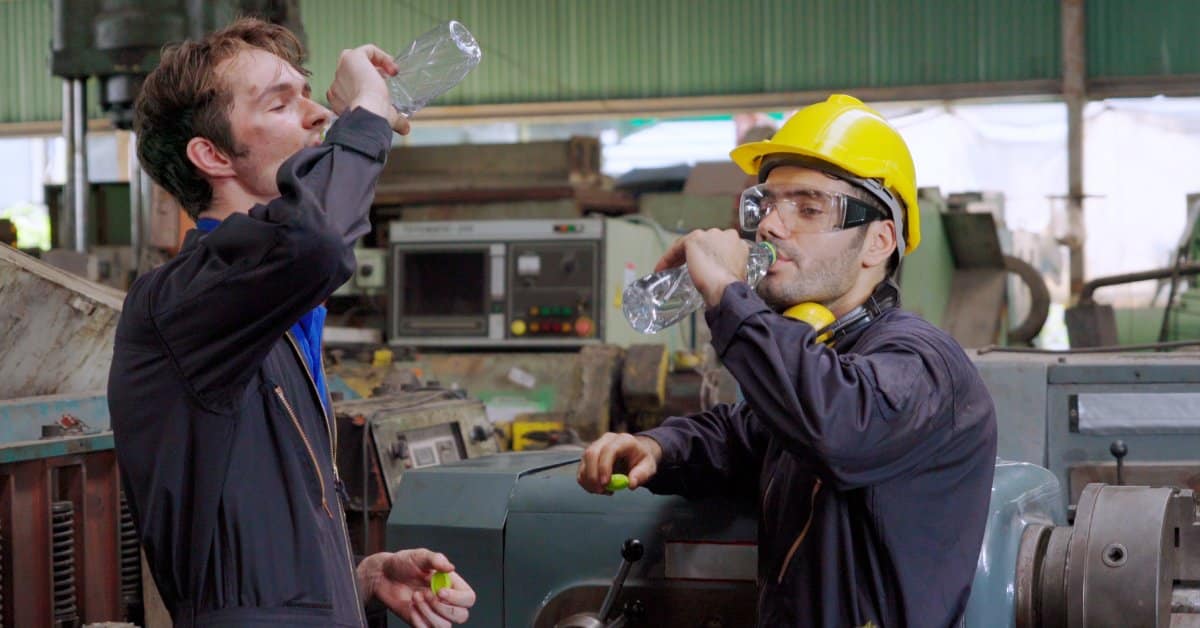
Fatigue affects decision-making and concentration. Therefore, taking scheduled breaks is a safety tip every machine operator should know. Scheduled breaks prevent overworking and support mental sharpness. Use these moments to hydrate, eat a quick snack, or stretch out tight muscles.
The breaks allow you to recoup and avoid oversights that lead to mistakes. For example, fatigue might cause you to lose focus and position your hand too close to the rotating bit when using a drill press. This lapse in concentration could result in a serious hand injury. Taking regular breaks helps you stay alert and maintain proper safety practices, reducing the likelihood of such accidents.
Limit Distractions and Stay Focused
A phone notification, casual conversation, or even background noise can divert your attention from precise operations. Stay fully focused to achieve accurate results and maintain safety when operating any machine. Many shops enforce policies such as designated phone-free zones or limits on non-work discussions to minimize interruptions.
However, you can set additional parameters to help you. For instance, you may do the following:
- Plan your tasks beforehand to minimize unnecessary movement or decision-making while working.
- Wear noise-canceling ear protection if background noises distract you from focusing on the task.
- Establish a clear workspace, free of clutter, to make it easier to concentrate on the tools and materials at hand.
- Take short mental breaks between tasks to stay refreshed and prevent zoning out during repetitive work.
- Set clear boundaries with coworkers to limit casual conversations while handling machines.
- Use checklists to stay on track and ensure you don’t overlook important steps or safety measures.
Know Emergency Procedures
Accidents can occur despite the best precautions, so it’s important to understand emergency response protocols. Whether it’s a medical emergency, machine malfunction, or fire, preparation helps you act without hesitation. Learn where to locate first aid kits, fire extinguishers, and emergency exits.
Drills also play an essential role. For instance, practicing an evacuation ensures you’re ready when real emergencies arise. Familiarize yourself with team protocols, such as reporting incidents to supervisors or activating alarms in critical situations. When you know how to act quickly and correctly, you protect lives and minimize equipment damage.