Many professionals compare carbide and high-speed steel (HSS) to find the best fit for their needs. These two materials dominate manufacturing and engineering due to their unique strengths. Whether you prioritize precision, durability, or cost-effectiveness, knowing which materials to choose can help your processes. Let’s break down the differences between carbide and high-speed steel now!
Understanding Material Composition
Manufacturers create carbide by combining tungsten carbide particles with a metal binder, usually cobalt. The cobalt binder adds some flexibility, keeping carbide from becoming too brittle.
To produce HSS, manufacturers use an alloy of iron and other elements—carbon, tungsten, chromium, and vanadium. The carbon increases hardness, while tungsten improves resistance to wear. Chromium and vanadium strengthen the alloy so that it stays sharp and withstands heat during machining.
Durability and Wear Resistance
Durability is a major factor when choosing cutting tools for high-intensity operations. Carbide outshines other materials with its outstanding hardness. Many manufacturers prefer carbide for machining applications that involve abrasive materials, such as stainless steel, titanium, or aerospace-grade alloys. Carbide’s superior ability to resist wear reduces downtime due to tool replacement, which is especially important in large production runs.
High-speed steel offers dependable performance, particularly in low-to-moderate workload scenarios. While its hardness cannot surpass carbide, it provides reliable wear resistance for typical machining operations. Specifically, HSS thrives in general-purpose applications or machining softer metals. Moreover, it is a strong and economical choice for drills or taps working under controlled conditions.
Longevity Under Specific Conditions
The choice between carbide and HSS depends on the application. Carbide proves more advantageous for aerospace or automotive manufacturers, which demand longer tool life and the ability to withstand harsh conditions. On the other hand, manufacturers handling repair jobs or small-scale projects may find HSS cost-effective and durable enough for their needs.
Heat Resistance and Cutting Speed
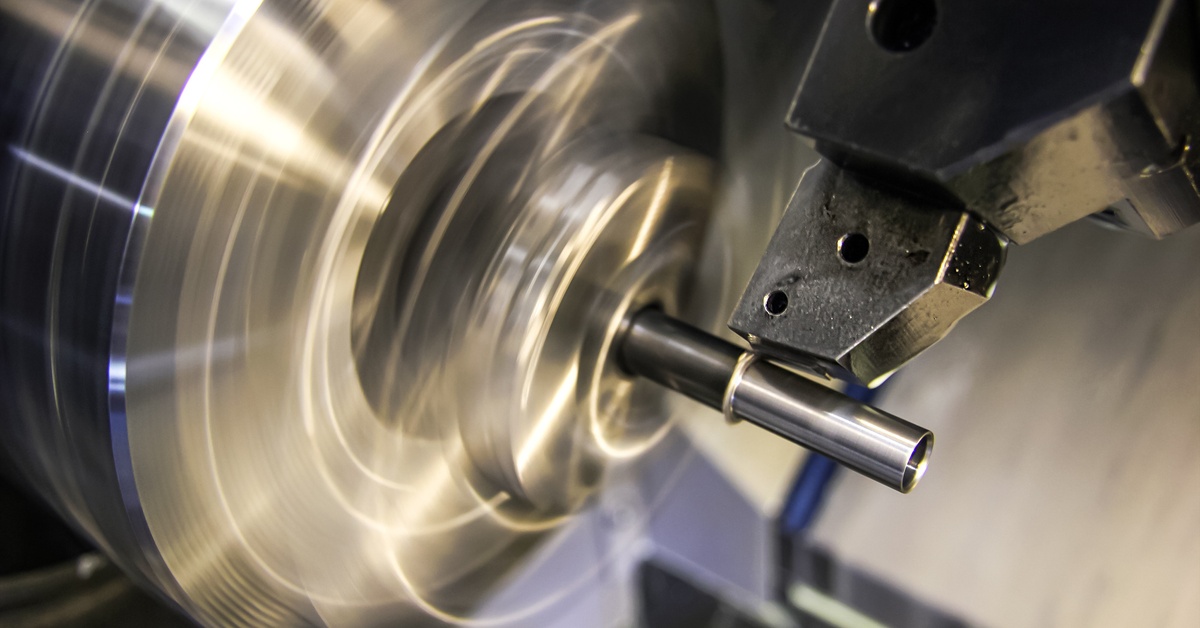
Machining generates intense heat, especially in high-speed environments. It’s best to choose carbide over high-speed steel when working with materials that will endure prolonged exposure to extreme temperatures. Carbide offers excellent thermal resistance, allowing tools to retain their cutting edge and precision.
Professionals machining jet engines, for instance, rely on carbide tools to withstand heat without losing integrity. The material has little risk of warping or dulling; instead, it boosts operational efficiency and finish quality.
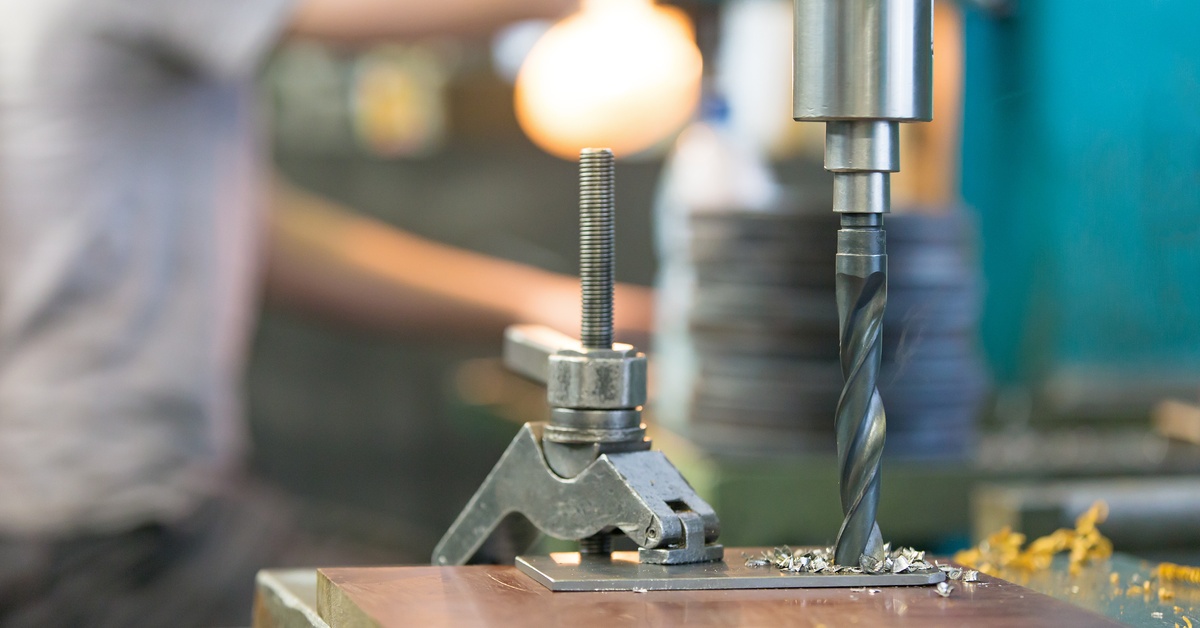
High-speed steel, on the other hand, performs well within moderate speed and temperature ranges. Its ability to absorb thermal stress without cracking or chipping supports machining soft materials, including aluminum, brass, and plastics. HSS is ideal for twist drills. Its versatility across multiple low-heat applications guarantees a steady performance.
Impact on Speed and Precision
The heat resistance of a cutting material dictates its speed limits and suitability for precision machining. Carbide operates effectively at high rotational speeds, keeping pace with demanding timelines and retaining dimensional accuracy. Although HSS cannot handle the same speed thresholds, it compensates through consistent results during general tasks.
Surface Finish and Precision
The properties of carbide enhance its ability to achieve flawless surface finishes, especially on hard or abrasive materials. Its rigidity prevents deformation or chatter during machining, allowing tools to produce smooth, uniform surfaces. Professionals crafting medical implants or precision molds use carbide to maintain accuracy with complex geometries.
On the other hand, HSS suits jobs that don’t need top-notch surface finish or precision. However, its lower rigidity and durability may lead to small imperfections or uneven surfaces when cutting harder materials or running at high speeds.
Application Flexibility
Carbide excels when precision machining requires tight tolerances and superior finishes. It supports aerospace, automotive, and mold-making, where intricate geometries or hard-to-machine materials demand accuracy. For instance, carbide tools handle high-performance alloys, creating exact cuts and refined details.
By maintaining sharpness and longevity under demanding applications, carbide is invaluable for precise work. However, HSS offers versatility across many machining needs, making it ideal for general-purpose tooling.
Cost Efficiency
HSS tooling typically requires a smaller initial investment than other types. This makes HSS tools more accessible for smaller-scale operations, prototypes, or projects where tooling consumption doesn’t escalate. For example, a workshop producing custom, short-run components can control costs with HSS. The upfront affordability of HSS also aligns well with operators who prioritize cost management over high-volume production.
Conversely, carbide tools require a higher investment due to their complex manufacturing process and material composition. This can deter some business owners, but the long-term value often offsets the initial expense. Carbide outperforms HSS regarding wear resistance and machining speed, reducing the frequency of tool replacements.
Workers in high-production environments, such as automotive or aerospace, benefit from carbide’s ability to maximize efficiency across lengthy runs. Its superior durability minimizes downtime, allowing professionals to spend less on replacements and recalibration.
Economic Considerations Based on Usage
Understanding machining requirements helps business leaders decide whether HSS or carbide fits their financial strategy. Carbide becomes a more economical choice if a manufacturer relies on grinding abrasives or other high-friction processes due to its resilience under such stress. Conversely, business owners might allocate resources more wisely with HSS for operations with low machining intensity. Evaluating the balance between operational demands and tooling budgets ensures decisions meet your performance and financial goals.

Tool Maintenance and Sharpening
Sharp, well-maintained tools support machining performance and efficiency. However, the sharpening methods for carbide and high-speed steel differ greatly. Carbide tools demand advanced grinding equipment with diamond wheels to restore their edge.
This specialized equipment adds expense and typically requires skilled operators. HSS tools, on the other hand, only require basic grinding setups for resharpening, allowing smaller facilities or individual machinists to handle maintenance in-house.
Frequency of Resharpening
Carbide’s exceptional hardness means these tools hold their edge for a long time. This reduces the need for frequent sharpening and supports uninterrupted workflows. While HSS tools provide the flexibility of easier sharpening, they dull faster, especially with abrasive materials or high temperatures. Professionals working with tough alloys or high rotational speeds benefit from carbide’s edge retention, while HSS is more manageable for lighter workloads.
Implications for Workflow Efficiency
Maintenance schedules and workflows play a critical role in operational planning. Machinists relying on HSS may dedicate time to frequent sharpening and tool changeovers, potentially slowing productivity.
Carbide tools reduce downtime with their durability, but their specialized sharpening requirements introduce costs or dependency on external sharpening services. For example, manufacturers producing intricate aerospace components benefit from carbide’s reduced wear, while local repair shop workers may lean toward HSS due to its straightforward maintenance needs. Balancing sharpening frequency with operational efficiency can streamline your processes.