Precision machining requires the right tools to achieve flawless results. Whether fabricating complex components or working on everyday machine parts, the tools you choose can streamline your work. This guide will walk you through the best cutting tools for your precision machining needs.
Milling Tools
Milling tools rotate and cut into a workpiece, allowing you to create anything from simple slots to complex 3D geometries. Industries like aerospace, automotive, and mold manufacturing rely on milling tools for their accuracy and versatility. You can choose from various milling tools tailored to specific functions.
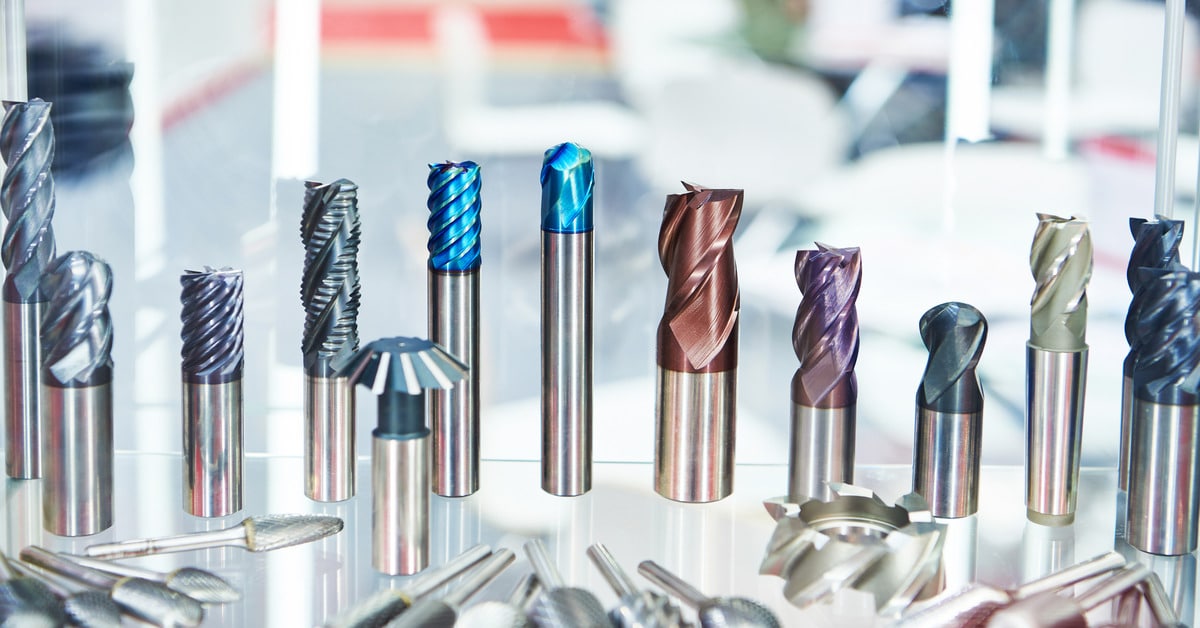
End mills excel at tasks such as contouring and slot cutting. Ball nose end mills create rounded edges and smooth surfaces on 3D parts. Face mills, on the other hand, remove material quickly from large surfaces, while chamfer mills allow precise edge finishing.
Milling tools can cut through a variety of materials, including aluminum, steel, titanium, composites, and plastics. Without switching tools, you can perform multiple processes, such as drilling, roughing, finishing, and cutting, saving valuable time and resources.
Broaching Tools
Broaching tools specialize in cutting complex shapes. Designed for internal and external applications, these tools can create intricate profiles like keyways, splines, slots, and gear teeth. Furthermore, broaching tools adapt to diverse materials, including hardened steel and softer alloys.
This precision metal cutting tool delivers consistent, accurate results in less time than many traditional cutting methods. For example, in the automotive industry, broaching creates keyways in transmission components, ensuring exact alignment and functionality.
This method also reduces the need for secondary finishing processes, saving you effort while providing smooth edges and clear profiles. Machines with broaching tools streamline repetitive tasks, making them ideal for high-volume production.
Drilling Tools
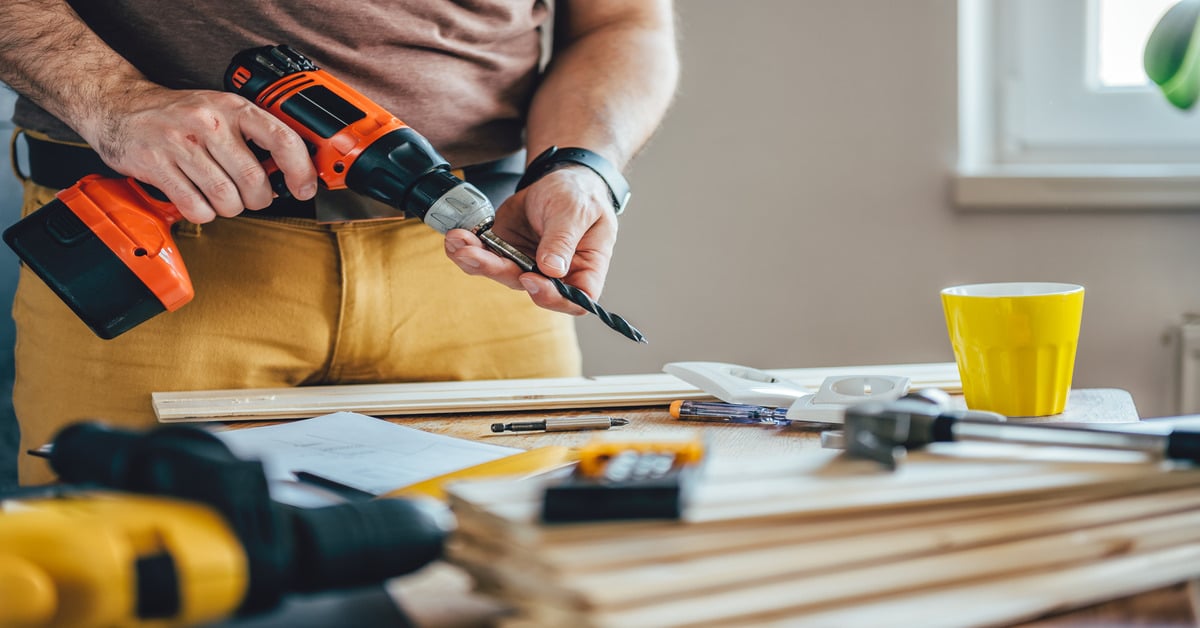
Drilling tools are the best cutting tools for precision machining because they create accurate, consistent holes in various materials. Drills support tasks ranging from assembling machinery parts to preparing materials for fasteners. They’re available in different types to suit specific materials and applications.
High-speed steel (HSS) drills excel in general-purpose tasks, while carbide drills tackle tougher materials, including stainless steel and titanium. Coated drills, such as those with a titanium or aluminum-based coating, offer enhanced durability and smoother performance. You can select from options like twist drills, step drills, and specialized carbide-tip models, depending on the scope of your project.
Benefits of Accurate Drilling
Precision drilling reduces waste because it ensures each cut is within the expected dimensions. Moreover, precise holes guarantee better overall fit and function. These tools also reduce the need for corrections, saving valuable time and resources. For instance, in the automotive sector, drilling tools aid in constructing reliable and perfectly aligned assemblies.
Burnishing Tools
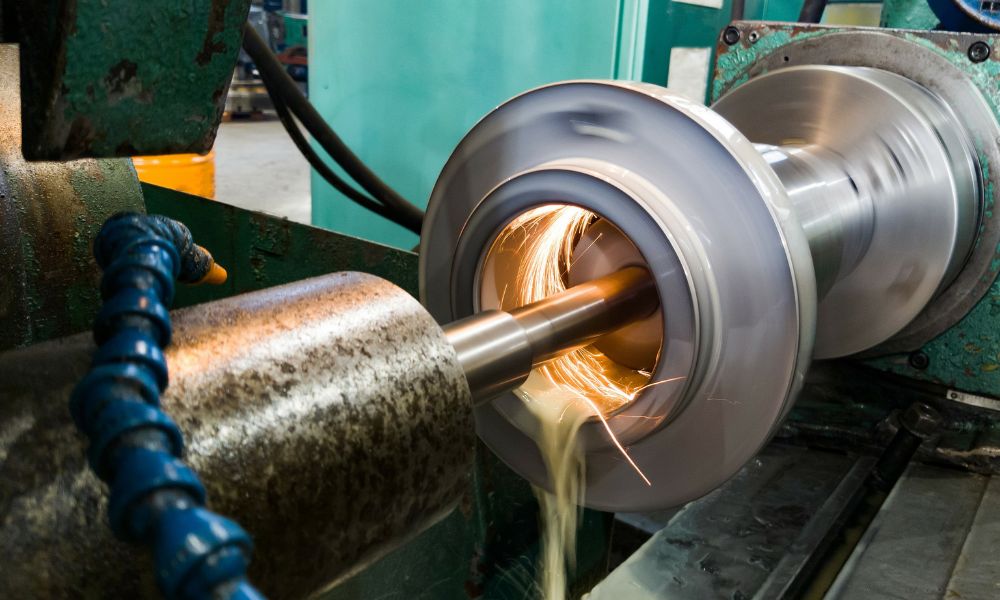
Burnishing tools refine surfaces by compressing the material’s top layer, resulting in a polished finish without removing any material. These tools support applications where you want a smooth appearance alongside enhanced durability. People commonly use burnishing tools on shafts, bores, and flat surfaces to elevate the quality of finished products and reduce surface imperfections.
Burnishing increases surface hardness and reduces friction, extending the lifespan of your components. For instance, hydraulic cylinder manufacturers rely on burnishing tools to perfect the inner bore surfaces. This process eliminates inconsistencies, creating a surface that supports better sealing and smoother hydraulic movements. The improved finish also enhances the material’s resistance to wear, making your parts less prone to damage under heavy use.
Advantages of Burnishing Over Alternatives
Burnishing eliminates costly finishing steps like grinding or polishing. It’s an efficient alternative for achieving professional-grade finishes without introducing additional tools. Whether you’re preparing surfaces for assembly or enhancing component strength, burnishing tools combine efficiency with precision to deliver exceptional results.
Machine Reamers
Machine reamers refine and enlarge predrilled holes to create high-quality finishes and tight tolerances. These tools don’t remove as much material as drills but instead focus on enhancing precision and surface smoothness. Their sharp, high-grade cutting edges allow you to achieve a uniform diameter while eliminating imperfections inside the hole.
Reamers are indispensable when your project demands components to fit together without issues. For example, they’re common in engine part manufacturing, where accurate bore dimensions directly affect performance. You can trust machine reamers to make subtle adjustments that ensure compatibility in assembly projects.
You’ll find various reamer types to match specific needs, including chucking, straight-flute, and tapered reamers. Chucking reamers are common in machine shops for precision enlargement, while tapered options work well for seating plugs or bolts. Straight-flute suits manual or low-speed operations, such as refining holes in hard materials or achieving consistent finishes in deep bores.
Turning Tools
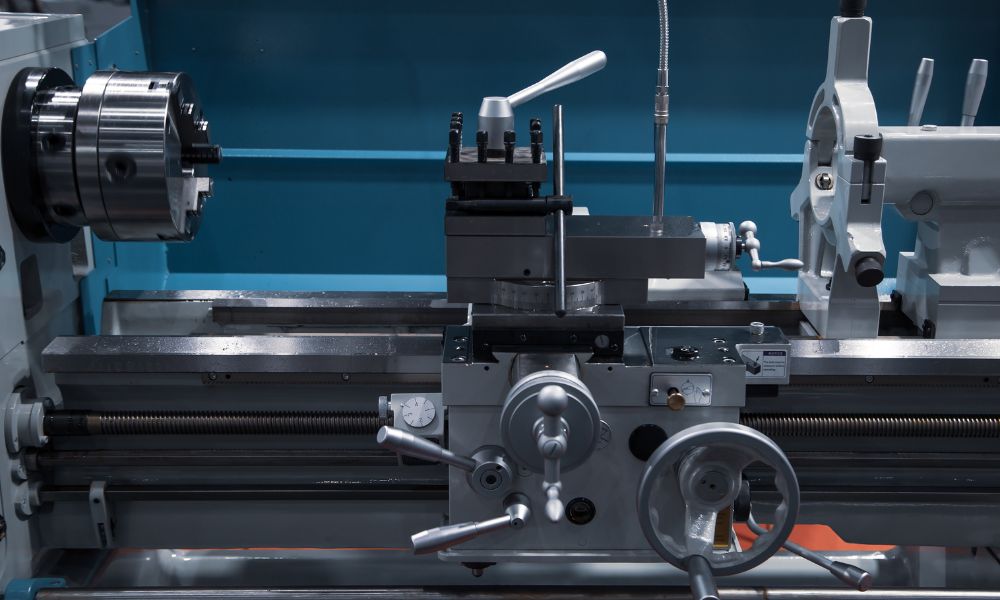
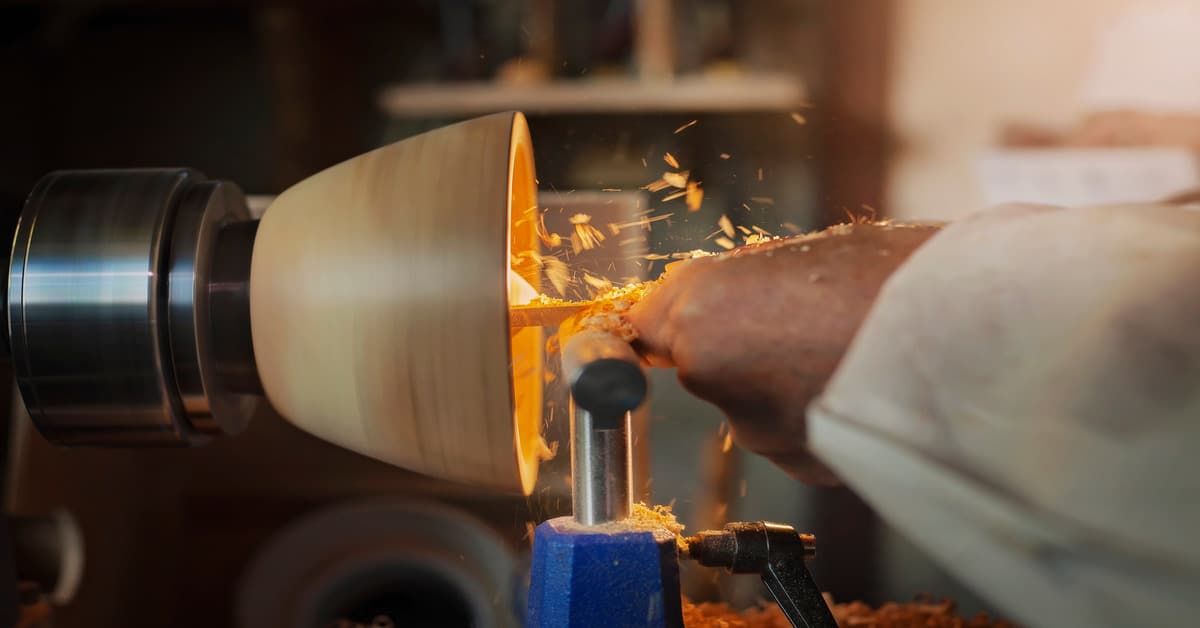
Turning tools shape materials into cylindrical forms on a lathe. These tools primarily remove material from the workpiece while allowing you to achieve accurate shapes, diameters, and finishes. They handle tasks like creating shafts, bushings, and other rotational components. From wood to metals and even composites, turning tools work across a variety of materials, making them essential parts of machining operations.
Rough turning tools remove large amounts of material quickly, preparing pieces for finer work. Finish turning tools handle the final touches, offering smooth surfaces ideal for tight tolerances. Boring bars refine the internal dimensions of holes, while parting tools focus on cutting sections to a precise length.
Materials and Coatings for Durability
Turning tools have high-speed steel (HSS) and carbide-tipped alternatives to fit various applications. Carbide-tipped tools excel in high-speed environments where heat resistance and longer tool life matter. HSS tools, on the other hand, are more cost-effective and work well for moderate tasks with minimal heat exposure. Some tools also feature coatings such as titanium nitride, which enhances their durability and cutting efficiency over extended use.
Tapping Tools
Tapping tools create internal threads inside predrilled holes, essential for threading screws, bolts, or other fasteners. They are invaluable for industries that require secure connections between components. Tapping tools come in various styles. For general-purpose threading, hand taps are easy to control. Machine taps, on the other hand, are ideal for automated processes, offering speed and consistency for high-volume production.
Spiral-flute taps are particularly useful for deeper holes or soft materials, as their design allows for efficient chip evacuation. Additionally, tapping tools help maintain alignment. This ensures that fasteners fit properly, reducing the chance of weakened or misaligned connections. Their ability to deliver uniform results ensures your components meet tight tolerances and customer expectations.
Bringing It All Together
The tools you choose directly impact your machining projects’ quality and results. High-quality cutting tools, from broaches to taps and milling tools, refine your workflows and deliver professional-grade results. Explore the tools available at TMT Toolbox to find solutions that work for your projects and take your machine shop process to the next level!