Keeping your tools in good working condition boosts productivity, ensures accuracy, and saves money. Every tool experiences wear during its life, reducing its effectiveness over time. But that doesn’t mean you can’t slow down the process. Understanding what causes tool wear and how to prevent it will protect your investment and keep your shop running smoothly. Let’s explore techniques to extend their lifespan now!
Power Tools
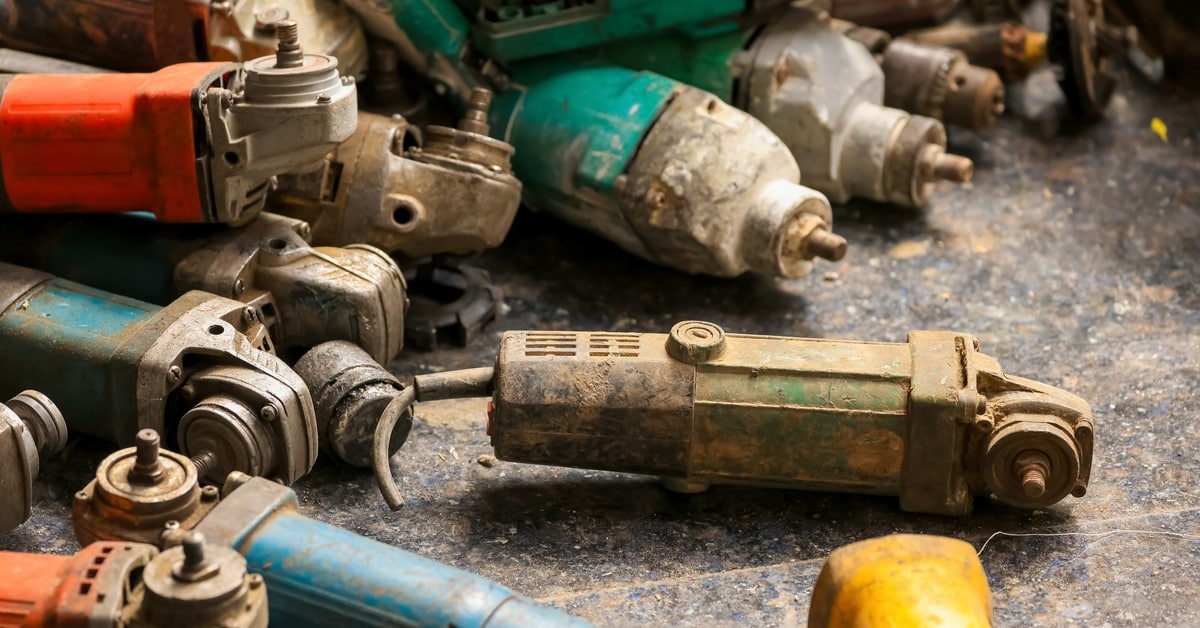
Power tools support various applications, making them a staple in workshops. However, they frequently endure wear due to intense usage. Heat builds up during continuous operation, which strains internal motors and reduces efficiency.
Motors and circuits in grinders and drills can fail from frequent overheating. Particle buildup, including dust and debris, can also get into vents and internal components, causing additional stress.
Lastly, using inappropriate settings or accessories, such as cutting discs for overly rigid materials, can wear down tools faster than anticipated.
Cleaning and Maintenance for Long-Lasting Performance
Maintenance practices impact how well your power tools function. Cleaning dust and debris immediately after tasks prevents buildup from clogging vents or interfering with mechanisms like blade movements or motor fans.
Inspect your tools regularly to identify wear on smaller components. Replacing worn-out brushes, lubricating moving parts, and tightening screws ensures continued performance.
Storage Practices To Protect Power Tools
Many overlook the power of tool storage when reducing wear. Exposure to moisture risks corrosion, which can eat away at internal mechanics and metal components. Instead of letting tools sit unprotected, invest in dry and ventilated storage areas.
Use wall-mounted racks to keep items such as drills off damp surfaces. Alternatively, sealed toolboxes can protect smaller tools while maintaining organization.
Metal Cutting Tools
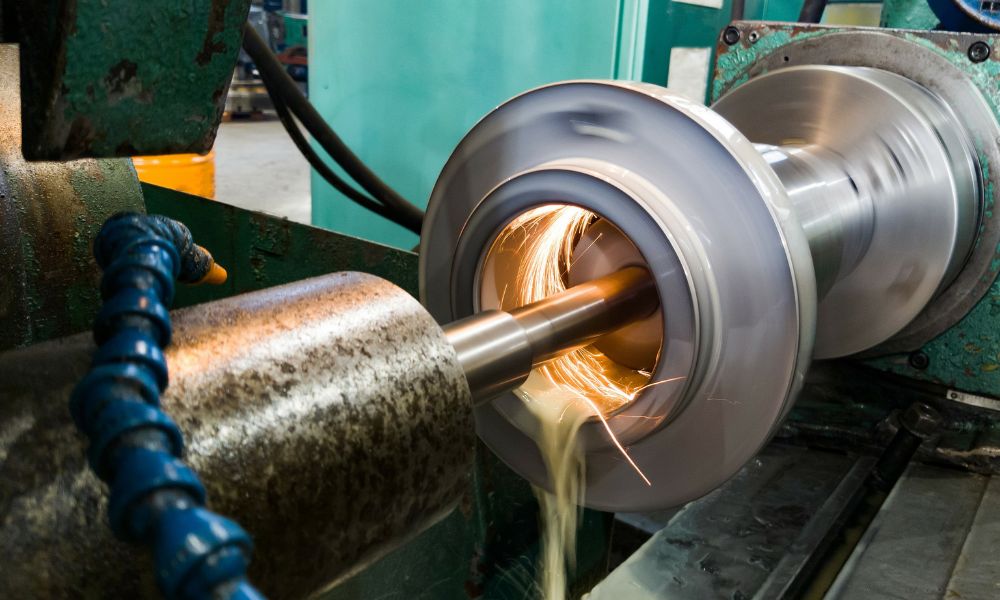
Metal cutting tools face one of the harshest workloads in machining. The cutting process generates friction and extreme heat, which can weaken blades over time. Milling cutters and end mills wear out quicker when cutting operations run at improper speeds or encounter hard materials without adjustments.
Dull tools lose precision and strain machines, reducing output quality and overloading the tool. Moreover, repeated stress leads to thermal fatigue, compromising cutting edges. If left unchecked, these issues can shorten the lifespan of even the highest-quality tools.
Matching the right tool to the material increases the accuracy and longevity of your equipment. For example, carbide inserts handle tough materials better than high-speed steel cutters. The wrong tool pairing wears blades prematurely and increases operational strain.
Following Correct Speeds and Feeds
Many machining jobs fail because cutting speeds or feeds don’t align with the material. Tools heat up faster if the speed is too high, making edges blunt prematurely. Alternatively, underutilizing cutting speeds causes unnecessary dragging, which produces uneven cuts. Stick to the manufacturer’s recommended values for operations like drilling, turning, or milling.
Inspection and Early Replacement of Tools
Identifying wear early prevents major issues. Regularly inspect cutting edges for chips, cracks, or dullness. Replace tools like inserts or cutters when they lose their sharpness, as dull equipment places additional strain on both tools and machines.
For example, a blunt milling cutter increases vibration, reducing cut accuracy and risking damage to work surfaces. Assessing wear ensures smoother and safer operations, minimizing wasted time and materials.
Grinding Abrasives
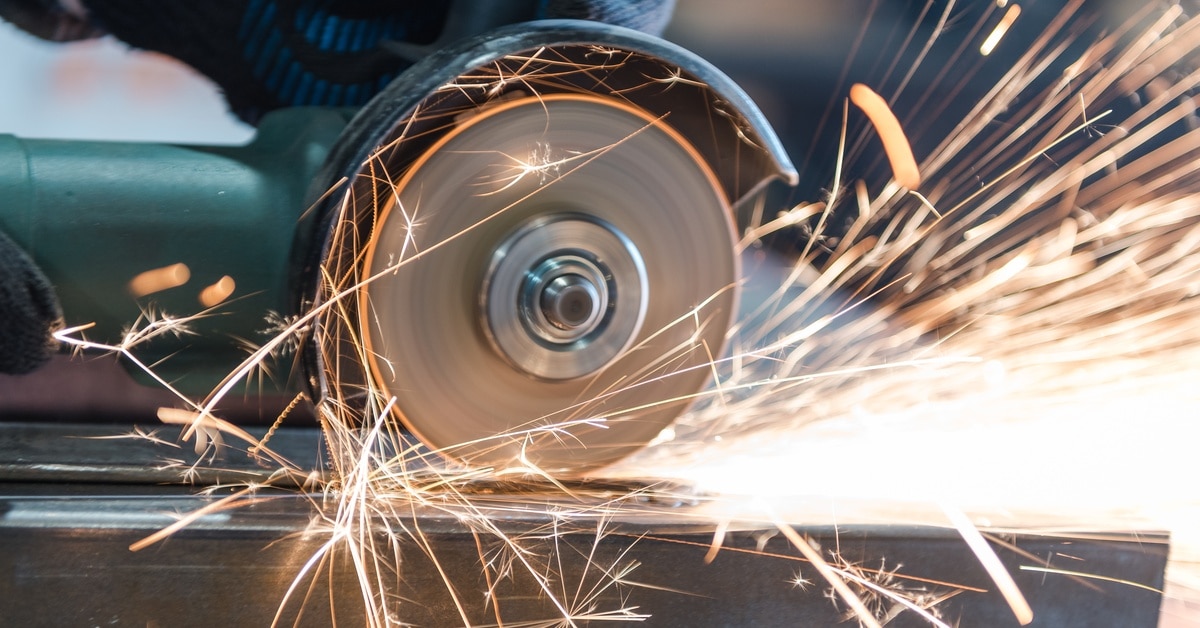
Grinding abrasives endure wear under friction and pressure. Applying too much force accelerates wear and reduces abrasive effectiveness when you work on heavy-duty materials. Over time, clogged abrasive surfaces become inefficient, reducing performance and quality.
Another issue is mismatching abrasives to materials, which causes ineffective grinding and faster tool breakdown. For example, using a standard grinding disc on stainless steel may fail to deliver the desired result and strain the abrasive.
To protect grinding tools, always choose the abrasive that matches the material and the task at hand. Furthermore, clean abrasive surfaces regularly to remove residue or clogs that might hinder efficiency. Store abrasives properly in a cool, dry area to prevent damage from moisture or extreme temperatures.
During use, apply consistent and moderate pressure instead of excessive force, as this minimizes wear and avoids overheating.
Precision Measurement Tools
Precision measurement tools, such as micrometers, calipers, and gauges, require meticulous care to remain reliable. Mishandling these tools creates physicaldamage such as bent frames or misaligned components.
Poor storage practices increase the risk of rust, especially when tools are exposed to moisture. Rust compromises accuracy and makes tools difficult to operate. Additionally, calibration issues arise when tools don’t undergo routine verification, resulting in inaccurate measurements over time.
Preserving Performance
To extend the life of your precision tools, prioritize careful handling. Store them in padded cases or dedicated compartments to protect them from accidental impacts. After each use, clean tools with a lint-free cloth to remove dirt and moisture, which reduces the chance of rusting.
Keep your tools in a controlled environment, away from temperature fluctuations or humidity. Moreover, routine calibration ensures precise measurements and prevents errors during tasks.
Machine Tool Accessories
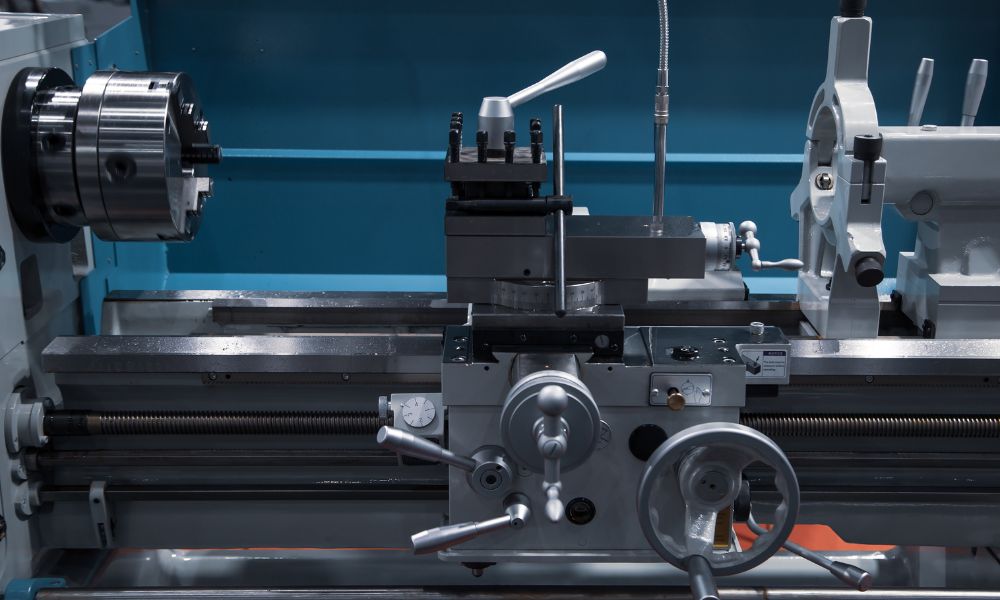
Machine tool accessories, such as tool holders, drill chucks, or collets, influence machining performance and accuracy. Misaligned accessories create uneven stress on tools and machinery, resulting in poor-quality finishes and unnecessary wear.
For instance, an off-center tool holder causes precision issues that ruin the workpiece. Worn components generate vibrations, which damage the machine and cutting tools. Neglecting these issues increases downtime costs and reduces operational productivity.
To maximize efficiency, align and securely fasten all machine tool accessories before every operation. Even minor misalignment creates imbalances that stress equipment and tools. Clean components like tool holders and drill chucks regularly to remove accumulated dirt and metal shavings. In addition, lubricate moving parts to reduce friction and prevent premature wear.
Extending the Life of Accessories
Store accessories in a clean, dry location away from excessive humidity to prevent rust. When tools and accessories wear down, replace them with high-quality parts designed for your machine.
For example, a high-precision drill chuck reduces vibrations, improving machining accuracy. Keep a documented maintenance schedule to ensure each component performs as intended.
When Upgrades Are Worthwhile
Although understanding tool wear and how to prevent it extends equipment usage, you’ll eventually need upgrades. Fortunately, upgrading your tools allows you to enhance your workflow with better materials.
Take carbide drill bits as an example. While they are incredibly hard and heat-resistant, extended use eventually dulls their edges. Instead of waiting for performance to decline completely, upgrading to a fresh set of drill bits ensures precise results and reduces the strain on machinery.
Beyond drill bits, specialized upgrades like titanium-coated milling cutters or premium grinding discs help tackle tasks. Whether you’re working with composites, metals, or precision machines, replacing aging tools with modern upgrades ensures consistent outcomes.
TMT Toolbox offers a curated selection of high-quality tools and accessories to support professionals. Check out our products today!