Equipping a machine shop with the right tools leads to better efficiency and high-quality output. Each piece of equipment serves a specific purpose, helping machinists handle complex tasks. Here are seven essential tools every machine shop needs to ensure you get the most out of your workspace.
Metal Cutting Tools
Metal cutting tools allow machinists to transform raw materials into finished components. Machine shops rely on these tools to cut, shape, and refine materials, enabling the production of intricate and high-quality parts.
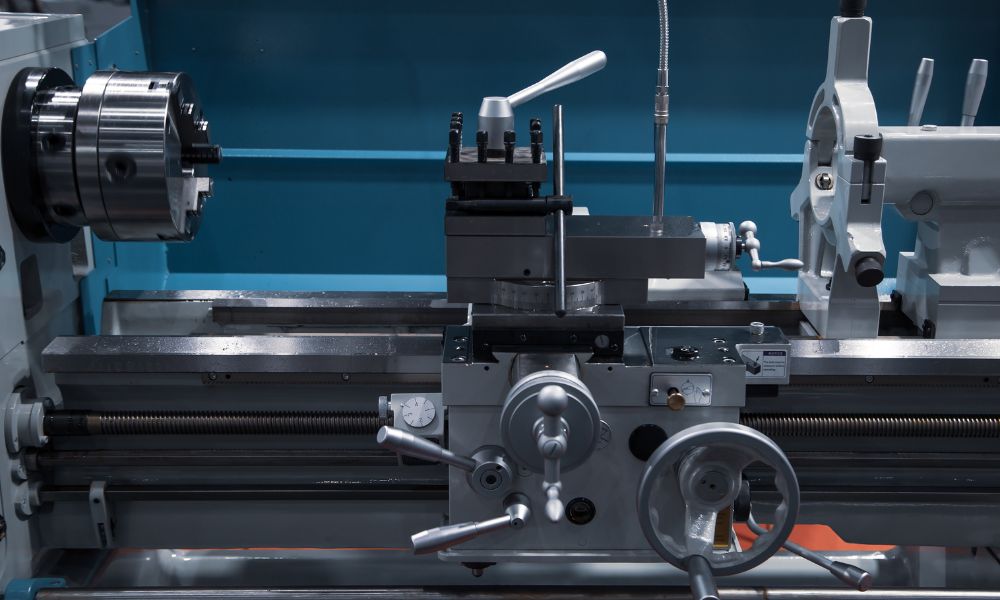
End mills handle tasks such as contouring, slot cutting, and profiling. Drills create holes with consistent diameters and depths, essential for accurate assemblies. Indexable inserts, which machinists use during high-volume operations, provide flexibility through easy replacement when edges dull. Reamers ensure exact hole diameters while turning tools shape materials on lathes.
Factors Machinists Consider When Choosing Tools
Machinists choose tools based on material compatibility, durability, and cutting efficiency. They rely on carbide-tipped tools for cutting tough metals, such as titanium or hardened steel, because of their heat resistance.
Many machinists prefer high-speed steel (HSS) tools for less demanding applications, as they balance longevity and cost. Tools with titanium aluminum nitride (TiAlN) coating resist friction and wear, ensuring consistent performance across challenging tasks.
Precision Measurement Tools
Precision measurement tools provide machinists with accurate readings to meet dimensional requirements, avoid errors, and reduce material waste. These tools ensure seamless assembly and functionality of manufactured components.
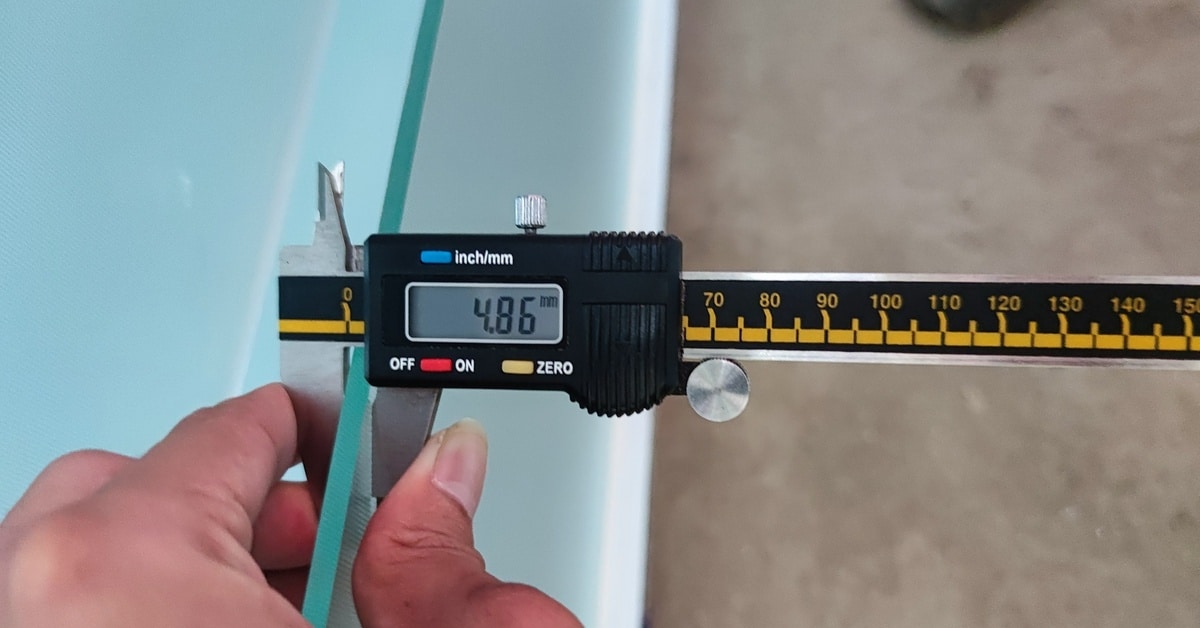
Calipers measure inside, outside, and depth dimensions, while micrometers provide highly accurate readings for small measurements. Dial indicators detect misalignment on flat surfaces or rotational components. Surface plates serve as baseline references for measurement accuracy. Lastly, protractors assist machinists when creating angular cuts or beveled edges, ensuring exact specifications.
Accuracy and Its Role in Machining
Accurate machining establishes dependable products that align with design requirements. Machinists use micrometers to confirm specifications on small, tight-tolerance components, preventing errors that could compromise functionality. For instance, a gearshaft cut too large increases friction, wearing down the machine it operates within. Measuring consistently and frequently ensures proper fits and prevents production delays or discarded materials.
Power Tools
Power tools are essential for every machine shop because they provide unmatched speed and adaptability during demanding tasks. From shaping materials to achieving precise finishes, these tools create high-quality results.
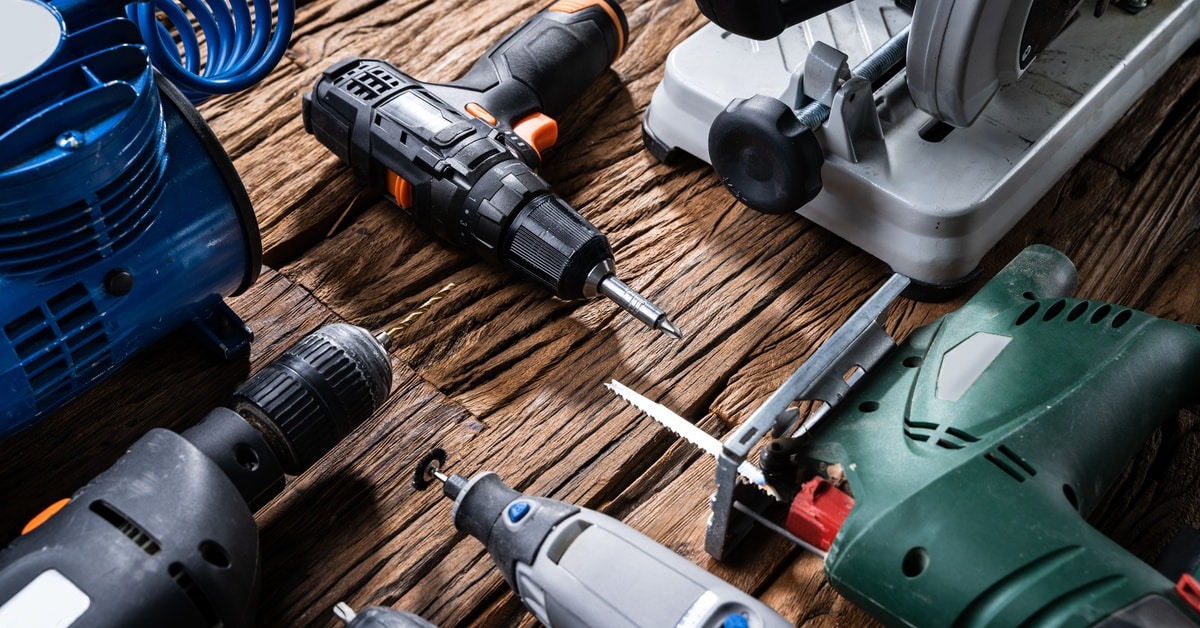
Power tools include a versatile range of equipment for different machining tasks. For example, drills create clean and consistent holes, serving metalworking and woodworking projects. Grinders remove excess material and refine surfaces, enhancing the final product.
Saws, including bandsaws and circular saws, cut through materials such as aluminum, steel, or even dense hardwood with ease. Die grinders equipped with rotary bits excel at fine-tuning and polishing intricate components, making them indispensable for detailed projects.
Efficiency and Time-Saving Benefits
Power tools allow machinists to complete time-sensitive jobs without compromising quality. A high-speed grinder smooths metal edges far quicker than manual methods, seamlessly assembling parts. Similarly, drills with adjustable speed settings allow users to switch between different material types effortlessly. These tools keep production pipelines running smoothly and minimize delays by handling multiple tasks in less time.
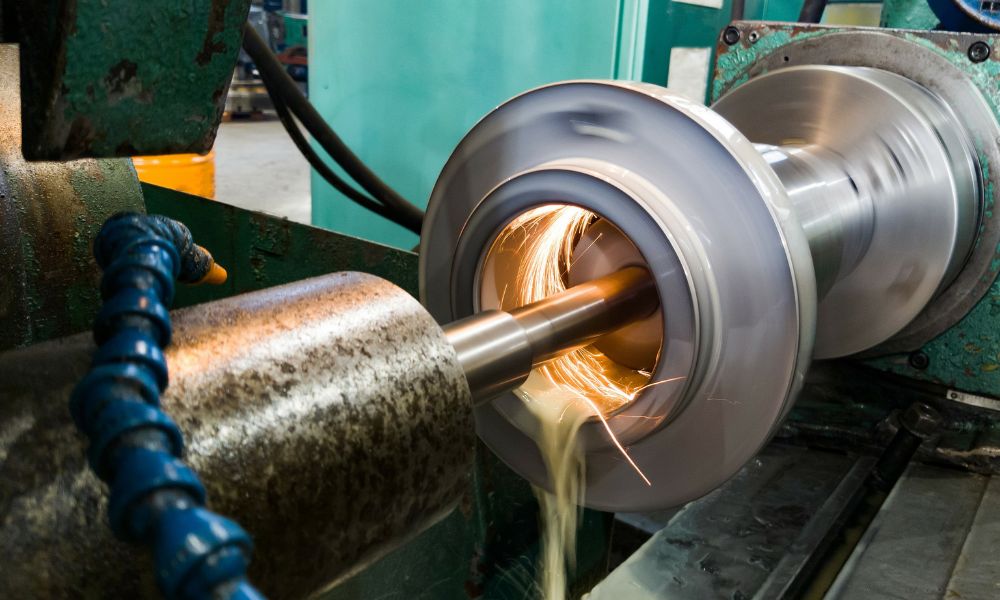
Grinding Abrasives
Grinding abrasives deliver precise finishes and shape materials efficiently. Here are the types of grinding abrasives shops need:
- Grinding wheels: Refine surfaces, smooth welds, and deburr raw materials.
- Sandpaper discs: Work with orbital or belt grinders to prepare surfaces before applying coatings or adhesives.
- Soft abrasives (i.e., buffing pads): Polish delicate metals or composites without damaging underlying layers.
- Hard-coated discs: Grind down tough materials, such as hardened steel or titanium.
Selecting the Right Abrasive
Choosing abrasives depends on materials and the intended finish. Coarse-grit grinding wheels handle heavy stock removal, while finer grit options refine surfaces to near mirror-like finishes. For instance, machinists use high-strength resin-bonded wheels for shaping steel components and ceramic grinding wheels for precision grinding in tool manufacturing. Having multiple grit levels on hand ensures flexibility for any machining task, whether aggressive shaping or fine polishing.
Tools for Composite Materials
Working with composite materials, such as carbon fiber, fiberglass, and reinforced plastics requires specialized tools that withstand wear. Machinists rely on diamond-coated saw blades, rotary burrs, and drills when tackling composite materials.
Diamond-coated tools resist the abrasiveness of these materials, ensuring durability and clean cuts. A diamond grit hole cutter creates precise, clean-edged holes in carbon fiber or fiberglass components. Regarding reinforced plastics, machinists turn to carbide-tipped or diamond-coated cutting tools to handle the material’s toughness and prevent chipping or cracking.
Adding composite-specific tools to a machine shop allows businesses to expand their services. For example, offering precision cutting, drilling, and shaping can attract automotive and sporting goods manufacturing industries. These industries demand custom composite components due to their lightweight and high-strength properties.
Machine Tool Accessories
Machine tool accessories improve precision, boost efficiency, and allow machinists to handle a wider range of tasks. Below is a breakdown of key accessories and their specific benefits:
- Tool holders stabilize cutting tools during operations, reduce vibration, and ensure precise cuts. They help machinists maintain accuracy and extend the lifespan of tools and machines.
- Leveling tools and jigs align machines and workpieces, ensuring accurate setups for drilling, milling, or cutting tasks. These tools minimize errors and improve output quality.
- Coolant systems regulate machine temperatures during intensive operations, reduce tool wear, and improve material finishes. They support high-speed or prolonged machining tasks effectively.
- Vise clamps securely hold workpieces in place during operations, enhancing safety and precision. Machinists rely on them for tasks like drilling, milling, and cutting.
- Maintenance tools, such as alignment gauges, lubrication systems, and filter replacements, keep machines and tools operating at peak performance. Regular maintenance protects accessories and ensures consistent results.
Tool Storage and Organization
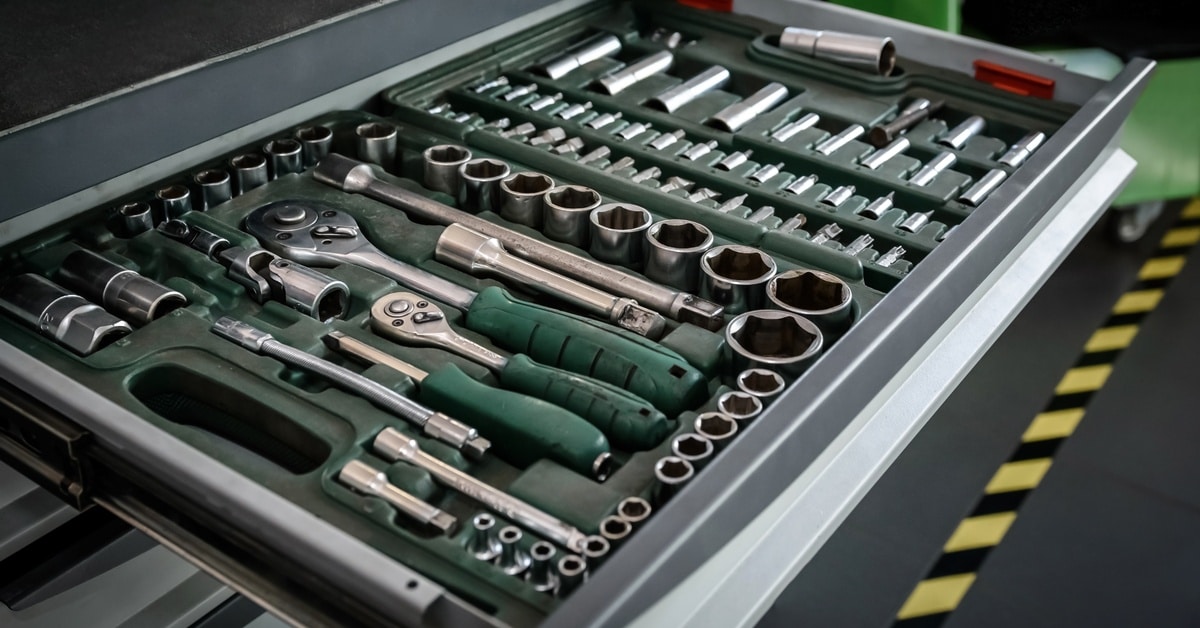
Effective tool storage and organization improve productivity and create a safe, efficient workspace. Various storage options suit different tools and shop layouts. Lockable tool chests secure micrometers and cutting tools, while foam-padded inserts or dividers prevent damage during storage or transport.
Rolling tool carts bring essential tools directly to workstations and modular racks or pegboards maximize keep frequently used items, such as wrenches or calipers, within reach. Adjustable trays or bins organize machining inserts by size or material, and racks for grinding wheels sorted by grit size allow quick task transitions. Labeling and inventory systems further enhance efficiency. Color-coded sections or labeled drawers simplify tool identification, while digital inventory systems track quantities and ensure timely replacements.
Equip Your Shop With the Best Tools
TMT Toolbox understands that having the right machine shop tools is essential for efficiency, precision, and safety. That’s why we offer a comprehensive inventory tailored to meet every machinist’s needs. From end mills, taps, drills, and other cutting tools to calipers, micrometers, and similar precision measurement devices, we have you covered. Consider us for your next order and see the difference we bring to your machine shop!