
Running a successful machine shop is about more than hitting tolerances and meeting deadlines. It’s about managing costs without sacrificing quality (or efficiency). However, one of the biggest challenges is keeping tooling costs under control. From frequent replacements to unexpected downtime, the expenses add up, eating into profits and slowing productivity. Fortunately, you can reduce tooling costs in your machine shop by following our tips!
Invest in High-Quality Tools Upfront
Choosing high-quality tools might feel like a larger expense upfront, but their longevity and reliability lead to substantial savings over time. Robust tools aren’t prone to premature wear, meaning fewer replacements and lower per-part costs.
For example, though pricier than high-speed steel, carbide cutting tools perform exceptionally well in heavy-duty jobs. Their durability ensures they withstand intense heat and pressure better, allowing them to stay sharp longer. Over months or years, the reduced replacement frequency saves money compared to consistently buying cheaper tools.
Durability Reduces Maintenance
The sturdiness of premium tools doesn’t just extend their lifespan; it also reduces the need for frequent maintenance. High-quality tools are less likely to chip, crack, or bend during demanding tasks. Simple preventative maintenance keeps these tools working efficiently without expensive overhauls or part replacements.
Additionally, manufacturers craft certain premium tools for easier repairs. For example, some tooling systems feature modular designs where you can replace individual parts instead of discarding the entire tool. This feature lowers maintenance costs and reduces waste.
Match Tool Quality to Job Requirements
Blanket upgrades to top-tier tooling across a shop aren’t always necessary. Evaluate which tasks truly demand high-quality tools. Mid-level tools may perform adequately for lighter work or noncritical operations without incurring higher costs. However, you should prioritize premium-grade tools for precision machining applications, harder materials, or high production rates.
Using the right quality level for the job prevents overinvesting in tools while ensuring optimal performance for critical operations.
Standardize Tooling Across Jobs
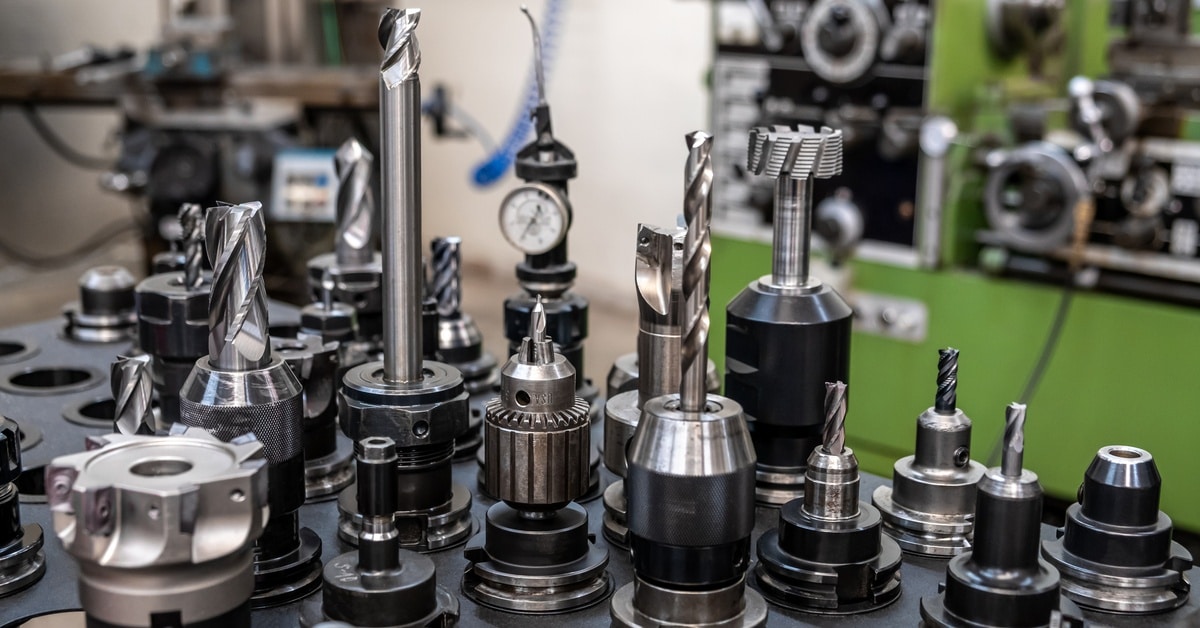
Carrying too many tool types burdens your purchasing process and inflates inventory costs. Standardizing tooling across jobs can reduce tooling costs in your machine shop. Streamlining tool selection simplifies ordering, stocking, and scheduling replacements.
Standardized tooling helps machinists stay efficient since they no longer rely on job-specific configurations that add complexity to production. For example, you could use indexable cutters with interchangeable heads instead of maintaining dozens of custom cutters for various operations. These perform a range of tasks while keeping inventory manageable.
Standardized tooling also alleviates one of the largest hidden costs in a machine shop: excessive downtime during changeovers. Switching from one operation to another involves recalibrating or modifying setups, adding time to production cycles. Simplified, universal tools minimize the need for recalibration, allowing machinists to swap tools quickly and resume work in less time.
Reducing Operator Confusion
Too many tooling options can confuse even experienced machinists, especially in high-pressure settings. Standardized tooling eliminates guesswork, allowing operators to focus on accuracy and speed. Establishing a standardized policy gives your team clear guidelines, simplifies setups, and boosts overall workflow efficiency, leading to more project turnouts.
Implement a Tool Management System
Effective tool management begins with knowing where and how people use your tools. It includes monitoring tool lifespan, tracking wear, and ensuring accurate inventory data. Manual tracking methods often fail to provide real-time insights, leaving gaps in knowledge that lead to overstocking or running out unexpectedly.
Investing in tool tracking software or technologies like RFID tagging can help. For example, RFID sensors automatically log tool usage, recording every time a worker checks out or returns a tool. Furthermore, tracking systems help predict when tools will need upkeep or replacement.
For example, if you notice that an end mill lasts through 1,000 machining cycles before degradation, you can plan its rotation accordingly. This avoids unnecessary replacements while mitigating failures during critical operations.
Improving Vendor Relationships
Good tracking systems also aid communication with suppliers. When you can pinpoint demand trends, you’ll know which items justify bulk orders and which require smaller, more frequent deliveries. Vendors appreciate working with shops that understand their needs, potentially leading to better pricing or faster fulfillment.
For example, consolidating orders for standard tools aligned with projected consumption allows a supplier to deliver within planned schedules. This arrangement could result in preferred treatment, shorter lead times, or cost-saving opportunities.
Optimize Machining Parameters
Every machine and tool combination has an ideal set of operating parameters. Running too fast, cutting too deep, or skimping on coolant stresses tools and reduces their lifespan. Conversely, overly conservative settings result in unproductive cycles where tools wear down without adding value.
For example, maximizing metal turning tool lifespans involves balancing speed and feed rates with appropriate cutting depths. Running a CNC lathe at excessively high RPMs without adjusting the depth-of-cut ratio results in tool chipping or thermal wear. On the other hand, reducing spindle speed and aligning cutting parameters with recommended load limits distributes forces evenly.
Use manufacturer-recommended settings as a foundation, and run controlled tests to adjust these parameters for your specific workflows. You may use modern machining software for simulated cutting data, which offers valuable insights before making these adjustments live.
Then, document settings that best balance tool life, part quality, and machining efficiency. Organize these guidelines into an accessible library for operators.
Consider Tool Coating Options
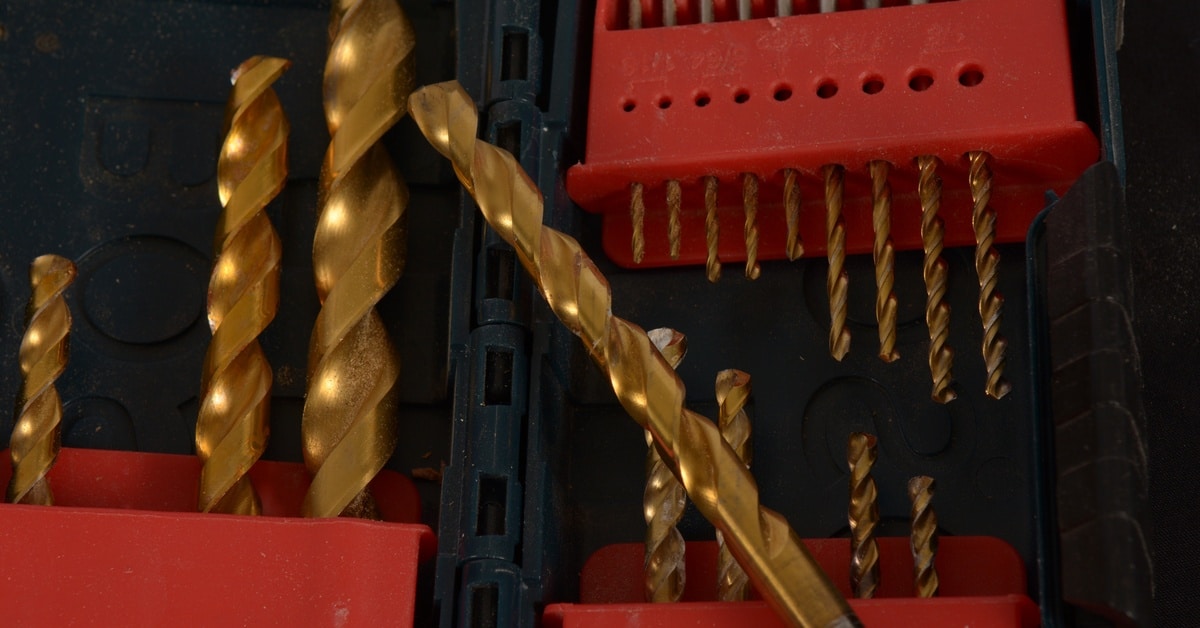
Tool coatings improve performance and reduce wear during demanding machining operations. Coated tools minimize friction, manage high temperatures, and resist abrasion better than uncoated tools. For example, titanium nitride (TiN) coatings create a hard, wear-resistant layer that reduces friction at the cutting interface. It makes tools last longer and perform better when machining softer metals like aluminum or mild steel.
However, not all coatings work equally across different applications. Each coating targets specific challenges, such as extreme heat, abrasive materials, or fast machining speeds. By matching the coating to the operating conditions, you maximize efficiency while cutting unnecessary expenses.
Common Coatings
Coatings prolong tool life by providing a protective barrier, meaning fewer replacements and interruptions during production runs. Here are common tool coatings:
- titanium aluminum nitride (TiAlN): acts as a heat shield for tools in high-temperature machining and dry cutting applications, such as aerospace or die-casting
- diamond-like coatings (DLC): handle abrasive materials like carbon fiber or graphite, reducing friction and extending tool life
- aluminum titanium nitride (AlTiN): resists oxidation at high speeds, ideal for high-speed milling of hardened steel
- chromium nitride (CrN): performs well in corrosive environments with exposure to moisture or chemicals
Conduct Regular Coating Evaluations
Coatings wear over time, particularly in high-heat or high-friction environments, which can compromise performance. Evaluate coating effectiveness regularly to ensure tools deliver consistent results. For example, you should recoat tools displaying obvious heat discoloration rather than letting them degrade further. This prevents costly production delays or material issues due to dull cutting surfaces.