
High-speed machining (HSM) pushes the boundaries of efficiency, delivering fast results for various industries. If you want the best results from your machining process, you must optimize tooling. This guide will walk you through the best practices for tooling when utilizing high-speed machining. Whether you’re working with aluminum, steel, or titanium, these tips can refine your operations for better outcomes.
Choose the Right Tool Material
Tool material dictates how well cutting tools handle high-speed machining conditions. Intense heat and pressure challenge tools to maintain efficiency while reducing wear. Carbide tools excel in these conditions due to their heat resistance and durability.
Ceramic tools enhance machining performance when cutting through hard alloys or abrasive materials. cubic boron nitride (CBN) tools dominate high-speed operations on hardened steels, and polycrystalline diamond (PCD) tools suit softer materials, such as aluminum or composites.
Matching Materials to Workpieces
Matching the tool to the workpiece improves performance. Coated carbide tools resist heat damage and maintain sharpness while machining titanium. For aluminum machining, uncoated carbide delivers precision cuts.
Diamond-based tools have a long cutting life while maintaining smooth operations when handling abrasive composites or ceramics. When choosing tooling materials, consider material hardness, elasticity, and temperature tolerance to support efficient workflows.
Specialized Applications for Tailored Tools
Specialized tools improve machining projects. If making threaded cuts in hard materials, it’s best to use carbide or hardened steel thread tapping tools. PCD inserts deliver smooth cuts on composite components while preventing chipping. High-helix end mills improve chip evacuation during aluminum machining and speed up production cycles without compromising quality. Ultimately, leveraging specialized tools maximizes productivity.

Use Tool Coatings
Tool coatings do far more than shield the surface of a cutting tool. They also create a barrier that reduces friction and heat buildup while extending tool life and improving cutting efficiency. For instance, TiAlN or AlTiN coating can handle elevated temperatures better than uncoated tools when machining hard materials. A coating can also reduce wear and protect cutting edges from premature dulling.
Selecting the right coating depends on the workpiece and machining conditions. TiAlN and AlTiN coatings work well for heat-resistant alloys or high-temperature applications because they can maintain performance under thermal stress. On the other hand, tools for non-ferrous materials, such as aluminum or copper, benefit from diamond-like carbon (DLC) coatings that reduce sticking and improve precision.
Coating thickness and type also matter when machining fine details or achieving tight tolerances. Always verify that coatings bond to the tool surface, as flaking can interfere with operations and damage your workpiece. Even the best coating will eventually wear down, expose the base material, and diminish the tool’s effectiveness. Check for discoloration, scratches, or uneven surfaces, which indicate it’s time to recoat the tool.
Leverage Tool Geometry for High-Speed Machining
Each design aspect, from rake angles to corner radii, influences how the tool interacts with the material. Sharp cutting edges reduce energy consumption, as they shear through material with little resistance. This reduces heat generation and cools the tool, even at rapid speeds. High helix angles improve chip removal, preventing chips from clogging the cutting zone. You’ll experience faster machining cycles, reduced tool wear, and better surface finishes with proper geometry.
Adjusting Rake and Clearance Angles
Fine-tuning the rake and clearance angles to match cutting conditions can improve tool performance. A high-positive rake angle minimizes cutting forces, which works well for aluminum. Conversely, low rake angles support hard alloys, such as steel or titanium. The appropriate clearance angles prevent the tool from rubbing against the workpiece, which can generate excessive heat and damage the surface.
Using Helix Angles for Chip Evacuation
Tool geometry extends beyond rake and clearance angles. Helix angles evacuate chips during high-speed operations. A steep helix angle encourages chips to move away from the cutting zone, which prevents material from building up and overheating the tool. This is especially important when machining sticky materials, such as brass or aluminum.
Prioritize Tool Balancing
Tool balancing is another best practice for tooling in high-speed machining. It reduces wear and delivers smooth finishes. In contrast, imbalanced tools create unnecessary vibrations, poor surface quality, and shortened tool life. Vibrations overstress machine spindles, causing excessive wear and unplanned downtime.
Balancing your tools eliminates these disruptions while boosting productivity and performance. Think of it this way: instead of reacting to issues, balancing your tools keeps operations smooth across production runs.
Innovations in balancing technology improve accuracy and prevent downtime. Machines with built-in vibration sensors monitor systems and alert you to imbalances in real time. Dynamic balancing systems recalibrate tools during operation, which helps you focus on production, not troubleshooting.
Optimize Cutting Parameters
The cutting parameters, including speed and feed rate, determine how your tools perform under high-speed machining. Find the ideal revolutions per minute (RPM) so that tools don’t overheat while maintaining high material removal rates. High speeds are best for aluminum, while tough metals (titanium) demand reduced speeds for better control.
Adjust feed rates to balance performance with tool longevity, and avoid making aggressive cuts that could over-stress the tool. For example, dialing back feed rates during finishing operations allows you to focus on surface quality while prolonging tool life.
Depth of Cut and Step-Over Values
Shallow cuts produce great finishes but take long, while deep cuts increase material removal rates but impose high stress. Adjust depth settings based on tool geometry and material hardness to get the best results. Step-over values dictate how much material remains between parallel cutting passes. For roughing, larger step-over percentages remove bulk material efficiently, while smaller values create finer results during finishing.
Managing Heat Buildup
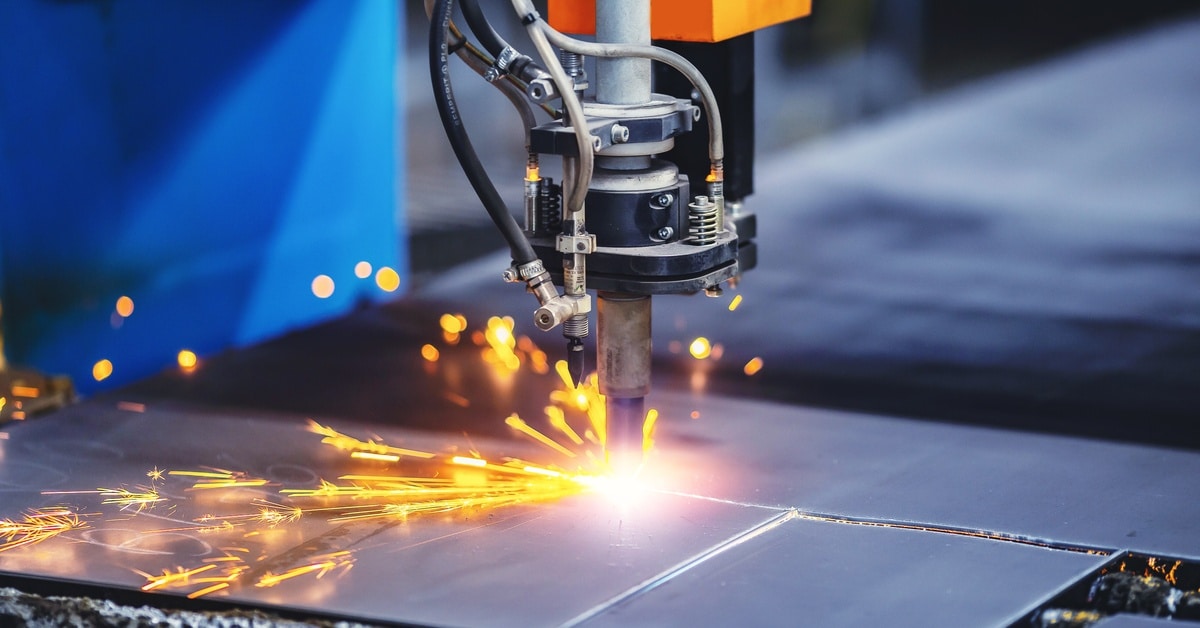
Efficient cooling supports fast machining while preventing tool wear and thermal damage. High-pressure coolant systems manage chip evacuation and heat dissipation. Air cooling or minimum quantity lubrication (MQL) works well, too.
For optimal results, direct the nozzles at the cutting zone. Also, choose coolant types based on the material. For example, oil-based coolants can handle moderate machining, while water-soluble alternatives excel under hot conditions.
Use Tool Holders
Advanced tool holders improve precision in high-speed machining. Shrink-fit holders lock tools securely and maintain accuracy during demanding tasks, while hydraulic holders provide excellent grip and vibration control. Zero-runout collets excel at fine alignment for micro-machining projects.
Regular maintenance keeps tool holders effective during high-speed machining. Clean the holders after each use to prevent contaminants from degrading your tools. In addition, inspect for wear or damage on collets and sleeves to retain gripping strength. Lastly, replace worn parts to avoid performance issues.