Introduction:
Cup wheels, an essential tool in the world of grinding, have become indispensable for professionals across various industries. Whether you are a seasoned artisan or a DIY enthusiast, understanding the nuances of cup wheels and their applications can significantly enhance your grinding experience. In this article, we will delve into the characteristics, uses, and benefits of cup wheels, shedding light on their importance in achieving precision and efficiency in grinding tasks.
Understanding Cup Wheels:
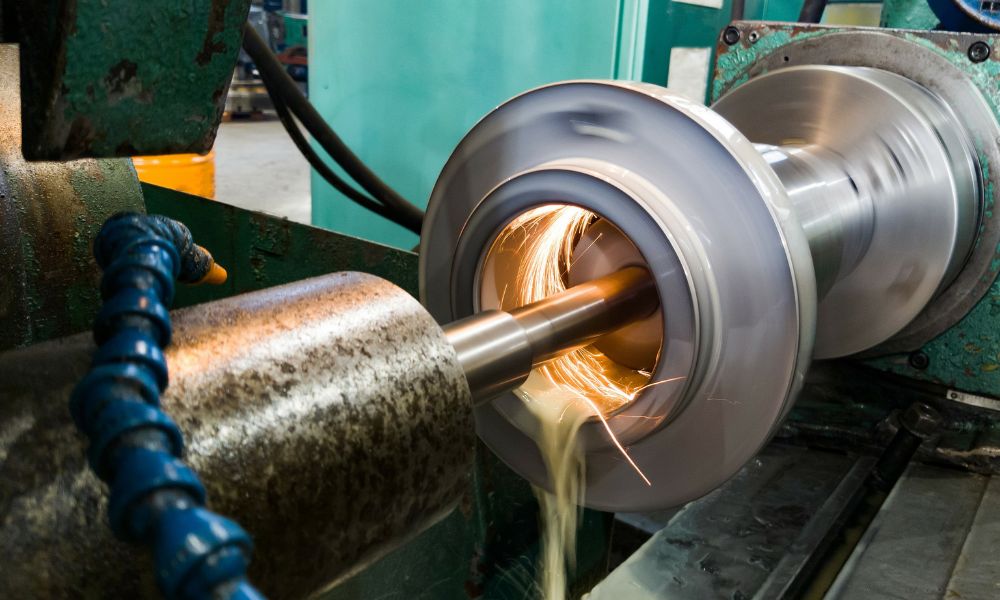
Cup wheels are abrasive wheels featuring a conical or cup-shaped design. Typically mounted on angle grinders, they are renowned for their versatility in grinding, shaping, and polishing a wide array of materials, including concrete, stone, metal, and more. The abrasive material is strategically placed on the surface of the wheel, enabling effective material removal with minimal effort.
Applications of Cup Wheels:
- Concrete Grinding:
Cup wheels excel in concrete grinding applications. Whether you’re smoothing out uneven surfaces or preparing a concrete floor for further treatments, cup wheels can swiftly and effectively remove excess material, providing a smooth and level finish. - Stone Polishing:
In the realm of stonework, cup wheels are instrumental in polishing and shaping natural and engineered stones. The varied grit options available make them suitable for coarse grinding as well as fine polishing, ensuring a polished, refined result. - Metal Fabrication:
Cup wheels equipped with abrasive materials like diamond or carbide are ideal for metal fabrication tasks. They offer precision in shaping and smoothing metal surfaces, contributing to the overall quality of the finished product. - Woodworking:
While less common in woodworking, cup wheels with specific abrasive compositions can be employed for shaping and smoothing wooden surfaces, especially when dealing with dense or exotic woods.
Benefits of Cup Wheels:
- Efficiency:
Cup wheels are designed to maximize efficiency in material removal. The concentrated nature of their abrasive surface allows for quick and effective grinding, reducing the time and effort required for various tasks. - Versatility:
One of the key advantages of cup wheels is their versatility. With various grit options and abrasive materials, they can cater to different materials and applications, making them a go-to tool for professionals in diverse industries. - Precision:
The cup-shaped design of these wheels allows for precise grinding, ensuring that material is removed only where needed. This precision is crucial for achieving smooth finishes and maintaining the integrity of the workpiece. - Longevity:
Cup wheels, particularly those with diamond abrasives, are known for their durability. They can withstand the demands of heavy-duty grinding applications, providing a longer lifespan compared to conventional grinding wheels.
Test on Cup Wheels Comprehension:
Question 1: What is the primary shape of cup wheels?
a) Circular
b) Conical
c) Cylindrical
d) Spherical
Question 2: Which material is NOT typically suitable for grinding with cup wheels?
a) Concrete
b) Metal
c) Glass
d) Wood
Question 3: What is one of the benefits of cup wheels in metal fabrication?
a) Fast material removal
b) Minimal precision
c) Short lifespan
d) Limited versatility
Question 4: Why are cup wheels considered versatile?
a) They can only be used on concrete.
b) They have a limited range of grit options.
c) They cater to various materials and applications.
d) They are not suitable for shaping and polishing.
Answer Key:
- b) Conical
- c) Glass
- a) Fast material removal
- c) They cater to various materials and applications.