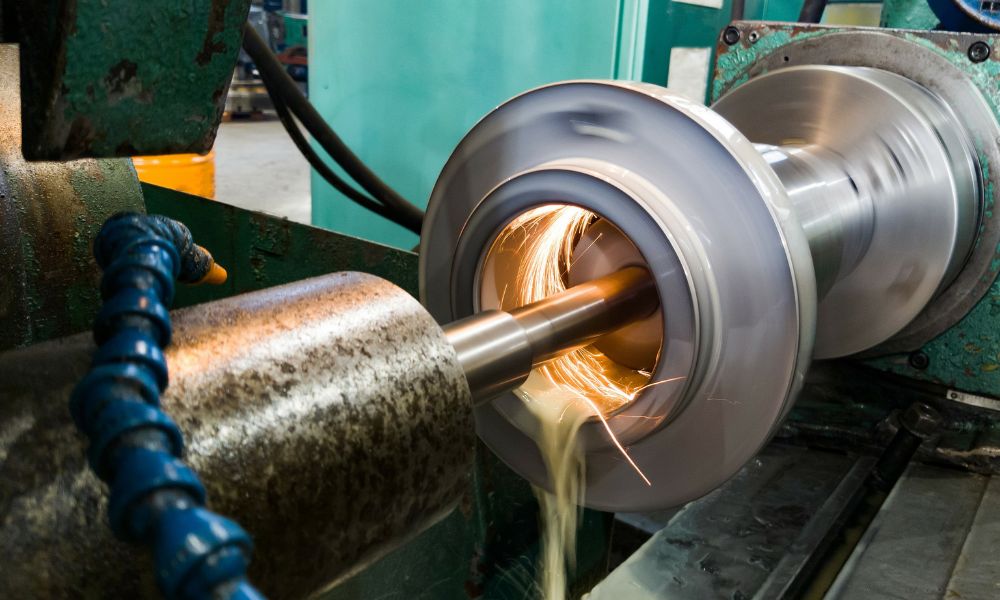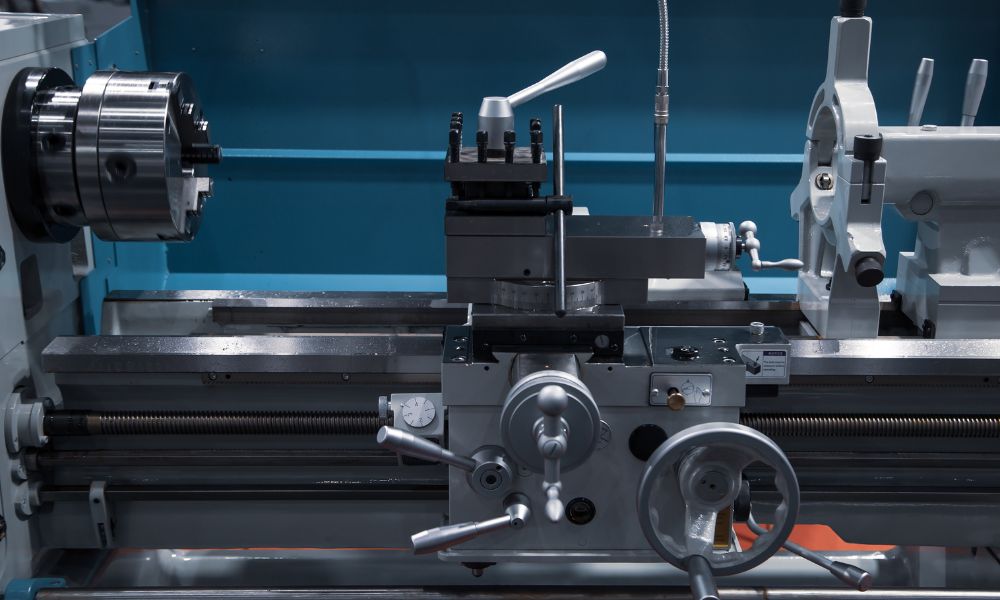
Cutting metal is a critical aspect of metal art, and using the right tool is a crucial factor in the success of your creations. With so many options available on the market, though, choosing the right cutting tool can be overwhelming. Make sure you have everything you need to make your hobby or business a success with this quick guide to using metal cutting tools for your metal art projects.
Understanding Metal Cutting Tools
Metal cutting tools range from power tools to manual tools. They include saws, drills, grinders, lathes, thread mills and taps, and more. Each tool has a unique function and is designed for specific metal types, thicknesses, and projects. Before choosing a cutting tool, it’s crucial to understand the nature of your project, including the type and thickness of the metal you will be using.
Following Safety Procedures
It is essential to understand applicable safety procedures when working with metal cutting tools. First and foremost, always wear personal protective equipment (PPE). This includes eye protection, hearing protection, gloves, and a respirator if necessary. You should also have a clean and well-ventilated workspace, as metal cutting tools create fumes and smoke that could be harmful if you inhale them.
It’s best to work in a well-lit, spacious area with no flammable materials nearby. You should also ensure that your cutting tool is in good condition, with sharp blades and no loose components.
Preparing Your Metal for Cutting
Before cutting your metal, you must prepare it for the cutting process. Stabilize the metal by clamping it on a sturdy surface so it won’t shift or vibrate during the cutting process. Measure and mark the cut lines with a pencil or a marker to ensure precise cuts.
Finishing Your Cut
Finishing your cut is the final step to using metal cutting tools for metal art. Once you’ve made all your cuts, you’ll need to finish them to give your piece a professional, polished look. This means removing any burrs or rough edges left by the cutting tool. You can use a metal file, sandpaper, or an angle grinder to smooth out the edges.
Take care when finishing your cut, as this is where many accidents occur. Always wear your PPE and maintain a firm grip on the cutting tool. Take your time to ensure a smooth, even finish on your metal.
Whether you’re an experienced professional or an amateur enthusiast, you can find the steel cutting tools you need to make metal art at TMT Toolbox. Browse our incredible variety of cutting tools, finishing tools, safety equipment, and so much more when you visit us online today.