Introduction:
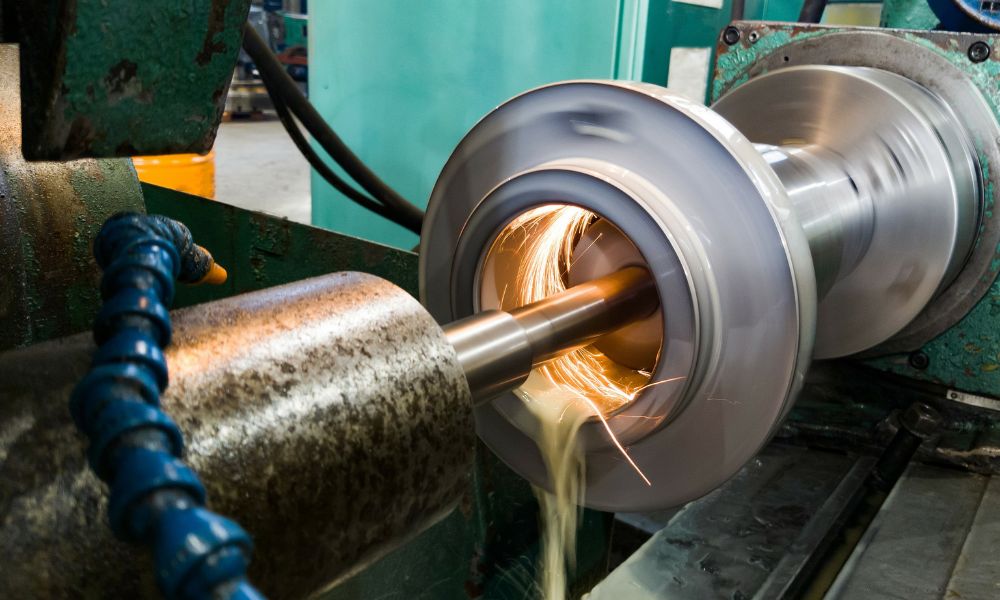
Grinding wheels play a critical role in various industries, shaping and finishing materials with precision. To ensure optimal performance and longevity of these wheels, it is essential to understand the process of truing and dressing. This article aims to provide a comprehensive guide on specifying, truing, and dressing grinding wheels, including an overview of nomenclature and common sizes.
Understanding the Nomenclature:
Before delving into the truing and dressing process, it’s crucial to grasp the nomenclature associated with grinding wheels. The following key terms are commonly used:
- Abrasive Grit Size: Indicated by a numerical value, it represents the size of the abrasive particles in the grinding wheel. Smaller numbers indicate larger grit sizes, resulting in a coarser finish, while larger numbers signify finer grit sizes and a smoother finish.
- Bond Type: The bond holds the abrasive grains together in the wheel. Different bonds are suitable for various applications. Common bond types include vitrified, resinoid, and metal.
- Wheel Grade: Indicates the hardness of the wheel. Softer grades are suitable for harder materials, while harder grades work well with softer materials.
- Structure: This refers to the spacing between abrasive grains in the wheel. Open structures are suitable for softer materials, while denser structures are effective for harder materials.
- Abrasive Type: Specifies the type of abrasive material used in the wheel, such as aluminum oxide, silicon carbide, or diamond.
Truing and Dressing Grinding Wheels:
Truing:
Truing is the process of restoring the shape of a grinding wheel by removing material to make it concentric with the spindle. This is crucial for maintaining the wheel’s accuracy and cutting efficiency. Truing can be accomplished using a diamond dresser, a single-point or multiple-point tool that removes material from the wheel’s surface.
Dressing:
Dressing involves removing dull grains and debris from the wheel’s surface to expose fresh abrasive grains. This process enhances the cutting action of the wheel and prolongs its life. Dressing tools, such as diamond dressers or abrasive sticks, are used for this purpose.
Common Sizes:
Grinding wheels come in various sizes, each designed for specific applications. Common size specifications include:
- Diameter: The overall diameter of the wheel, measured from one side to the other.
- Thickness: The width of the wheel, determining the amount of material it can remove in one pass.
- Arbor Size: The center hole through which the wheel is mounted on the grinding machine spindle. Arbor sizes vary, so it’s essential to ensure compatibility with the machine.
- Grit Size: As mentioned earlier, the grit size influences the finish of the workpiece.
Comprehension Test:
1. What is the primary purpose of truing grinding wheels?
a) Increasing wheel diameter
b) Restoring wheel shape and concentricity
c) Enhancing wheel hardness
d) Exposing fresh abrasive grains
2. Which tool is commonly used for the truing process?
a) Vitrified stick
b) Diamond dresser
c) Metal bond
d) Resinoid abrasive
3. What does the term “Abrasive Grit Size” indicate?
a) Wheel diameter
b) Size of abrasive particles
c) Wheel thickness
d) Type of abrasive material
4. What is the function of the bond in a grinding wheel?
a) Holds abrasive grains together
b) Determines wheel diameter
c) Removes dull grains from the wheel
d) Exposes fresh abrasive grains
5. Why is dressing important for grinding wheels?
a) To increase wheel diameter
b) To enhance wheel hardness
c) To remove material and restore shape
d) To reduce the spacing between abrasive grains
Answer KEY:
- b) Restoring wheel shape and concentricity
- b) Diamond dresser
- b) Size of abrasive particles
- a) Holds abrasive grains together
- c) To remove material and restore shape